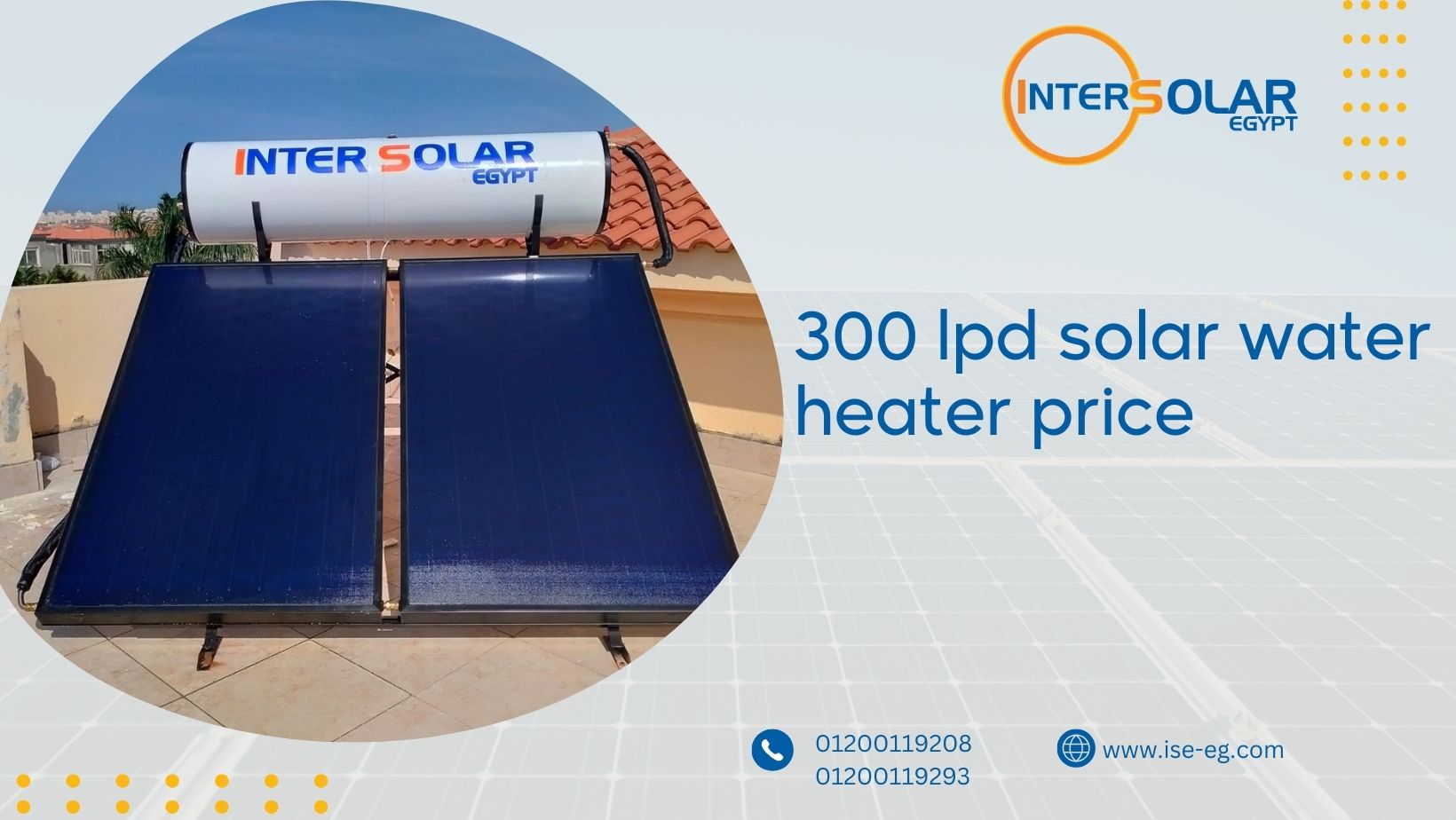
Understanding the real 300 LPD solar water heater price is not about finding the lowest quotation online but about choosing a long-term energy solution that protects your comfort, reduces operating costs, and delivers dependable hot water for many years.
After more than fifteen years working with solar thermal projects across residential villas, staff housing, clinics, and hospitality facilities, one fact remains consistent: most buyers focus on capacity alone and ignore engineering quality, which often leads to disappointing performance and higher lifetime expenses.
This guide is designed to remove confusion by explaining pricing logic, system design, climate impact, and real-world performance in clear practical language.
What Does 300 LPD Really Mean
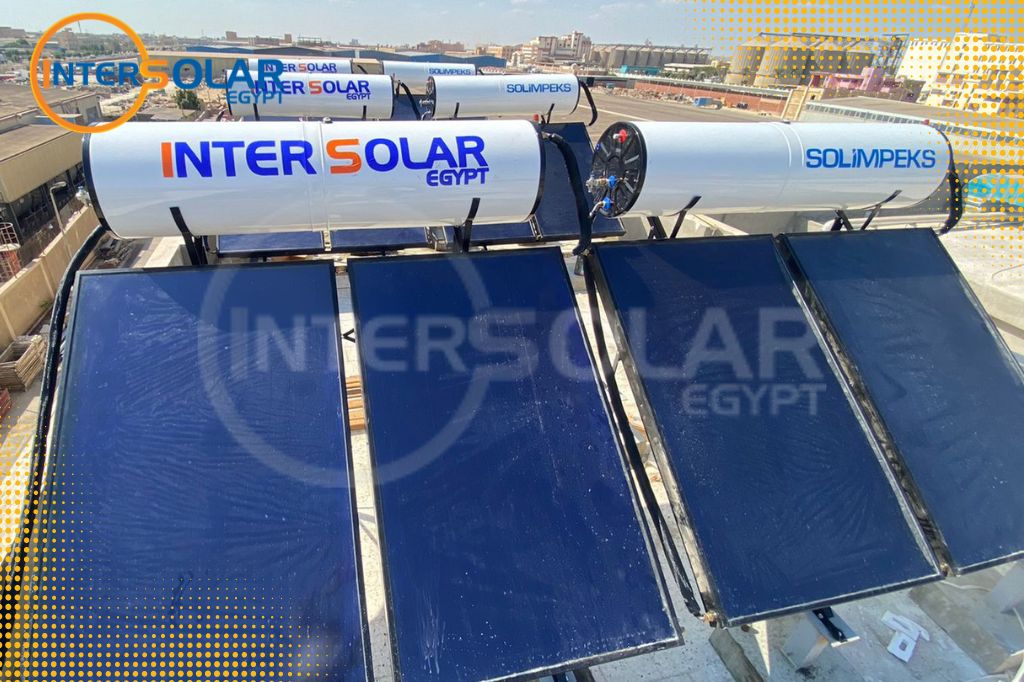
LPD stands for Liters Per Day, which represents the amount of hot water a system is designed to produce under standard solar conditions.
A 300 LPD solar water heater is commonly used for large households of six to eight people, small guest houses, light commercial buildings, and facilities with moderate daily hot water demand.
Unlike electric heaters that rely on resistance elements, a solar water heater uses solar collectors to capture sunlight and convert it into thermal energy, then transfers that heat into a storage tank either through natural circulation (hot water rising by itself) or forced circulation (a small pump moving heated fluid).
When engineered correctly, this capacity provides continuous hot water throughout the day while dramatically reducing electricity or gas consumption.
Search Intent Behind “300 LPD Solar Water Heater Price”
People searching this term usually fall into three categories.
Informational users want to understand how pricing works and what affects system cost.
Commercial users are comparing technologies and suppliers.
Transactional users are close to purchasing and need realistic investment expectations.
This article addresses all three by explaining cost drivers, technical variations, and long-term value rather than offering shallow price ranges like most competitors.

Key Engineering Elements That Shape the 300 LPD Solar Water Heater Price
A professional 300 LPD solar water heater system is not a single product but a complete thermal solution.
Each component plays a direct role in efficiency, durability, and comfort.
A properly engineered system always includes:
• High-efficiency solar collectors that absorb sunlight and convert it into usable heat
• A 300-liter insulated storage tank designed to retain temperature for many hours
• Reinforced mounting structures engineered for rooftop wind loads and system weight
• Fully insulated hot water piping to minimize thermal losses between collectors and tank
• Safety valves and pressure relief components that protect against over-expansion
• Professional installation with hydraulic circulation testing (checking that heated water flows correctly between collectors and tank)
When any of these elements are downgraded or omitted, system performance drops and operating costs rise over time.
Collector Technology and Its Direct Impact on Price
There are two primary collector technologies used in 300 LPD systems.
Flat plate collectors are durable metal absorber panels that perform well in warm climates with consistent sunshine.
Evacuated tube collectors use vacuum-sealed glass tubes to reduce heat loss and improve efficiency, especially during winter or cloudy conditions.
Evacuated tube systems typically cost more upfront, but they deliver higher output in low-sun periods, which increases usable hot water volume and reduces dependence on backup heaters.
Choosing between these technologies should be based on climate and usage patterns rather than initial price alone.
Storage Tank Quality and Thermal Insulation
The storage tank is the thermal heart of the system.
High-grade tanks are manufactured from stainless steel or enamel-lined steel and surrounded by thick polyurethane insulation (thermal foam that prevents heat loss).
Low-quality tanks lose temperature quickly overnight and often corrode faster in areas with high mineral water content.
Tank construction directly affects lifespan, comfort, and total ownership cost, making it one of the most important pricing factors.
Installation Engineering Matters More Than Brand Names
Many buyers choose the lowest quotation without reviewing collector efficiency or tank insulation, which often leads to weak winter performance and faster heat loss. Others accept thin pipe insulation to reduce upfront cost, only to discover later that hot water temperature drops quickly at night. Some installations even skip hydraulic circulation testing, causing uneven heating and poor daily output.
Professional installation includes correct tilt angle aligned with geographic latitude, optimized orientation toward the sun, fully insulated piping, secure structural mounting, and final performance testing.
Poor installation can reduce system efficiency by up to forty percent even when premium components are used.
Real Performance from Field Installations
Across residential and light commercial projects, properly engineered 300 LPD systems typically reduce conventional water heating energy by sixty to eighty percent annually.
In high-sun regions, these systems often provide full hot water coverage for six to eight months per year without any auxiliary heating, which translates into substantial savings and improved energy independence.
This is why capacity alone never tells the full story.
Engineering First Approach at InterSolar Egypt
At InterSolar Egypt, pricing never begins with catalog selection.
Each project starts with consumption analysis, seasonal temperature behavior, roof geometry, shading evaluation, and local water quality assessment.
This engineering-first methodology ensures clients receive systems matched to real demand rather than generic packages.
InterSolar Egypt applies internationally recognized thermal performance standards and pressure-tested tank specifications to ensure reliability in harsh climates and mineral-rich water environments.
This practical experience is what transforms equipment into dependable energy solutions.
Understanding Payback Period in Simple Terms
For large households and light commercial users, a 300 LPD system typically reaches payback within two and a half to four years depending on sunlight availability and hot water usage.
After that period, the system continues producing hot water with almost zero operating cost.
Over a fifteen-year lifespan, this represents significant financial savings while also reducing carbon emissions and dependence on grid electricity.
Residential vs Light Commercial 300 LPD Systems Explained Clearly
Although both residential and light commercial systems may carry the same 300 LPD label, their internal engineering is very different, and this difference directly affects both price and performance.
Residential systems usually rely on thermosiphon circulation (natural movement of hot water without pumps), which keeps maintenance simple and operating costs low. Light commercial systems, on the other hand, often use forced circulation (a small pump moves heated fluid) to handle continuous demand and multiple usage points.
Commercial-grade installations also integrate buffer tanks, pressure balancing, and backup heating readiness, allowing stable operation in clinics, guest houses, and staff buildings where hot water is consumed throughout the day.
This is why comparing residential quotes with commercial systems without understanding engineering depth leads to unrealistic expectations.
Common Buying Mistakes That Increase Lifetime Cost
Many buyers focus only on upfront pricing and ignore technical details, which later turns into reduced comfort and higher operating expenses.
The most frequent mistakes seen in real projects include:
- Choosing the lowest quotation without checking collector efficiency or tank insulation, which results in weak winter output and faster heat loss
- Accepting thin pipe insulation to save money, then discovering that hot water temperature drops sharply at night
- Skipping hydraulic circulation testing, causing uneven heating and inconsistent daily performance
- Ignoring warranty terms even though they directly reflect component quality and manufacturer confidence
- Oversizing storage tanks instead of improving collector efficiency, which increases cost without improving usability
Each of these decisions may look small at purchase stage, but together they significantly raise total ownership cost over time.
Professional system design avoids these traps by balancing capacity, efficiency, and durability instead of chasing headline prices.
How to Evaluate Any Supplier Before You Buy
Solar water heating is not a boxed product. It is an engineered energy system.
A professional supplier will always provide complete technical transparency, including:
- Collector performance specifications
- Storage tank material and insulation thickness
- Installation methodology and mounting standards
- Separate warranties for collectors and tank
- Post-installation performance testing
If any of these elements are missing, the offer is incomplete regardless of price.
Engineering clarity matters more than marketing language.
Why Experience Changes System Outcomes
After more than fifteen years of real deployments across villas, hospitality facilities, and staff housing projects, one lesson remains consistent: systems designed around actual usage patterns outperform generic packages every time.
Experienced engineers account for morning peak demand, seasonal temperature drops, mineral content in water, and roof shading before selecting equipment.
This practical field knowledge prevents overspending and ensures stable performance throughout the year.
It also explains why professionally engineered systems consistently deliver higher savings and longer service life.
Frequently Asked Questions
Is a 300 LPD solar water heater enough for a large family
Yes, in most households with six to eight people, a properly engineered 300 LPD system provides comfortable daily hot water. What matters most is not tank size alone but collector efficiency and system design. A well-built system reheats continuously during daylight hours, which means usable hot water volume often exceeds static storage capacity. If your home has multiple bathrooms or high morning demand, engineers typically increase collector area rather than tank size to maintain comfort without unnecessary cost. When designed correctly, a 300 LPD system supports showers, kitchen use, and general cleaning while significantly reducing electricity or gas consumption.
Does a 300 LPD system work during cloudy days or winter
Modern evacuated tube collectors capture both direct and diffused sunlight, allowing operation even under cloudy conditions. Although output is lower in winter, thick tank insulation preserves heat for many hours, maintaining usable water temperatures overnight. Most installations continue supplying hot water year round, with solar covering the majority of annual demand. Optional electric or gas backup heaters can be integrated for extreme weather days, but in real deployments solar energy still provides most heating even during colder seasons, making the system reliable across changing climate conditions.
What mainly determines the final 300 LPD solar water heater price
Collector technology, tank construction, installation quality, and warranty coverage are the primary cost drivers. Evacuated tube collectors cost more but deliver stronger winter performance. Stainless or enamel-lined tanks last longer and resist corrosion. Professional installation prevents heat loss and circulation issues. Extended warranties reflect manufacturer confidence. Choosing the cheapest quotation often results in higher maintenance and earlier replacement. Balanced engineering always delivers better lifetime value than price-driven decisions.