Understanding solar water heater design is not about choosing a tank and placing collectors on the roof, it is about building a complete thermal system that converts sunlight into dependable hot water while protecting comfort, reducing energy bills, and ensuring long service life.
After more than fifteen years working with residential villas, staff housing, clinics, and hospitality projects, one truth always appears: design quality determines performance far more than brand names or promotional pricing.
Most online articles explain solar heaters in a very basic way and ignore engineering logic, climate impact, and hydraulic balance, which leaves buyers confused and often disappointed after installation.
This guide explains solar water heater design from a professional perspective, connecting technical principles with real-world application so you can understand how a good system is created and why correct design delivers long-term value.
Understanding Search Intent Behind Solar Water Heater Design
People searching this topic usually fall into three categories.
Informational users want to learn how solar water heating systems are built and how they work.
Commercial users compare technologies and design approaches before selecting suppliers.
Transactional users are preparing for installation and want confidence that their system will perform as expected.
This article addresses all three by explaining engineering fundamentals, practical layouts, and performance factors rather than offering surface-level descriptions.
What Solar Water Heater Design Really Means
Solar water heater design is the process of selecting, sizing, positioning, and integrating all system components so that hot water is produced efficiently across changing weather conditions and daily demand.
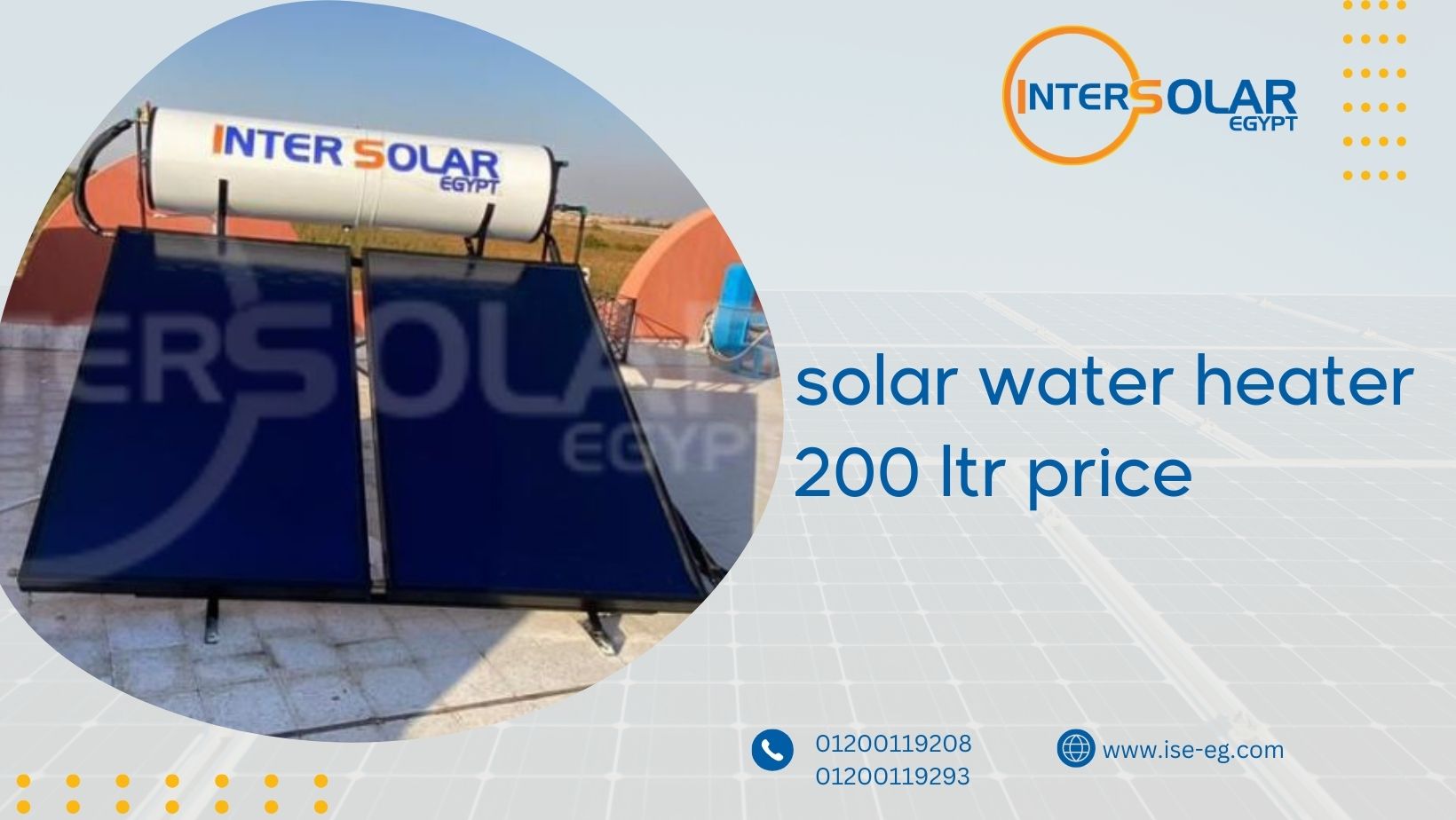
A solar water heater is a solar thermal system (technology that converts sunlight directly into heat) that uses collectors to absorb solar radiation and transfer that heat into a storage tank through natural or forced circulation.
Professional design focuses on matching system capacity with real usage while minimizing thermal losses and avoiding unnecessary cost.
A properly engineered system always includes:
- High-efficiency solar collectors that absorb sunlight and convert it into thermal energy
- An insulated storage tank that retains heat for many hours after sunset
- Correctly sized piping with full insulation to prevent temperature loss
- Structural mounting frames engineered for rooftop wind and load conditions
- Safety valves and pressure relief components to protect the system
- Hydraulic circulation testing (checking that heated water flows correctly between collectors and tank)
When any of these elements are ignored or downgraded, system efficiency drops and daily comfort suffers.

Core Design Parameters That Shape System Performance
Daily Hot Water Demand
Every solar water heater design begins with understanding how much hot water is actually needed.
Residential homes typically require between forty and fifty liters per person per day, while commercial buildings depend on usage patterns such as showers, kitchens, or operational processes.
Oversizing tanks increases cost without improving comfort, while undersizing collectors leads to cold water during peak hours.
Correct demand calculation prevents both problems.
Collector Technology Selection
Two main collector types dominate modern solar water heater design.
Flat plate collectors use metal absorber sheets and are suitable for warm climates with strong direct sunlight.
Evacuated tube collectors use vacuum-sealed glass tubes that reduce heat loss and improve performance during cloudy or cooler conditions.
Evacuated tubes usually cost more upfront but deliver higher winter output, which increases usable hot water volume and reduces dependence on backup heaters.
Choosing collector type should always follow climate analysis rather than price preference.
Storage Tank Construction and Insulation
The storage tank is the thermal heart of the system.
High-quality tanks are made from stainless steel or enamel-lined steel and surrounded by thick polyurethane insulation (thermal foam that prevents heat escaping quickly).
Low-grade tanks lose temperature overnight and corrode faster, especially in regions with hard water.
Tank quality directly affects system lifespan and user satisfaction.
Hydraulic Layout and Circulation Logic
Solar water heater design must also address how heat moves inside the system.
Residential systems often use thermosiphon circulation (natural movement of hot water upward without pumps), while larger installations rely on forced circulation (a small pump moves heated fluid).
Many buyers choose the lowest quotation without reviewing collector efficiency or tank insulation, which often leads to weak winter performance and faster heat loss. Others accept thin pipe insulation to reduce upfront cost, only to discover later that hot water temperature drops quickly at night. Some installations even skip hydraulic circulation testing, causing uneven heating and poor daily output.
Professional hydraulic design ensures smooth heat transfer, balanced pressure, and consistent hot water availability across all outlets.
Roof Orientation and Structural Design
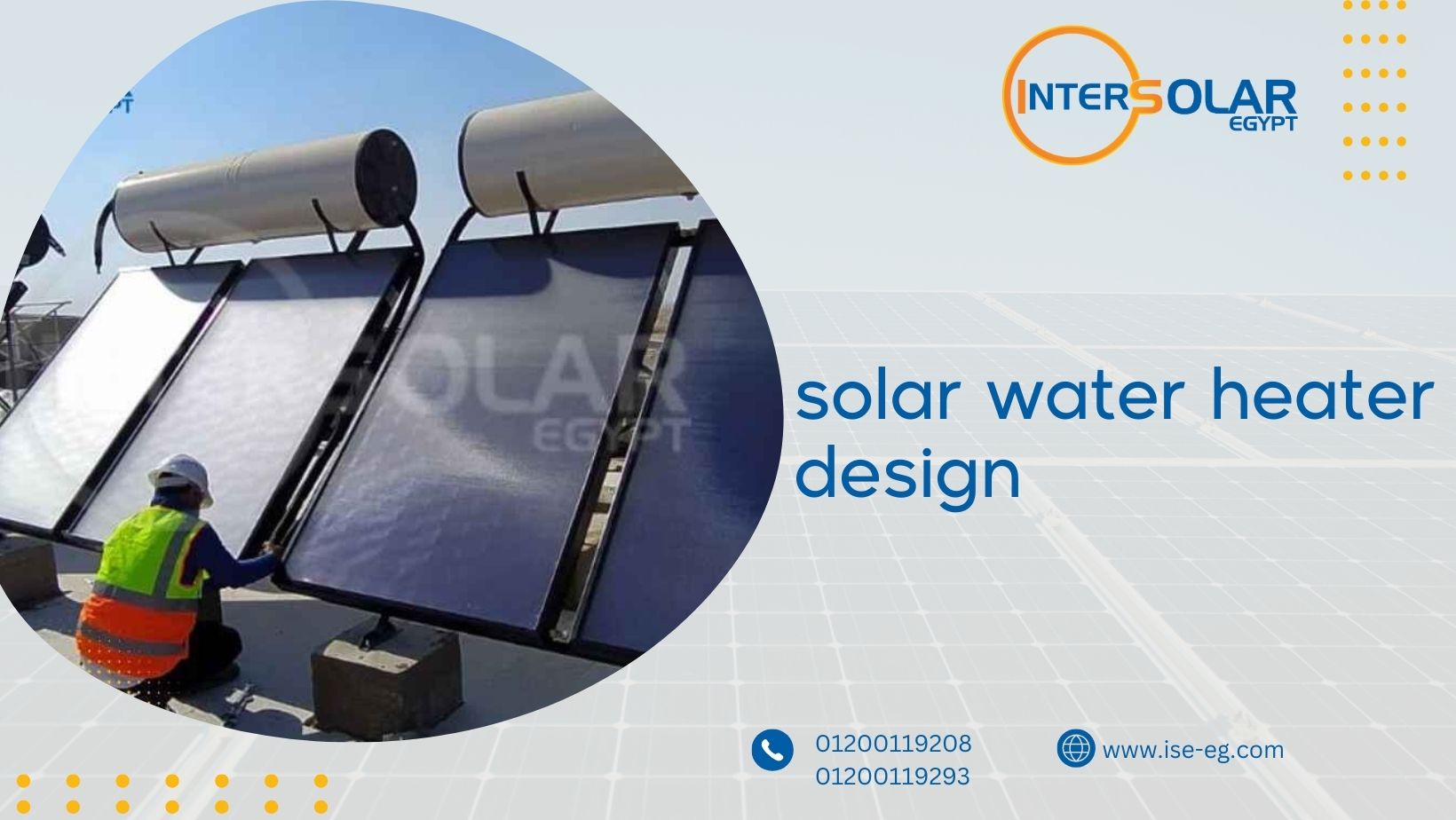
Collectors must be positioned to maximize sun exposure.
This includes selecting the correct tilt angle based on geographic latitude and orienting collectors toward the strongest daily sunlight.
Mounting structures must also handle wind loads and system weight while maintaining precise alignment.
Poor structural design leads to reduced performance and long-term maintenance problems.
Real Field Results from Proper Solar Water Heater Design
Across professionally engineered residential and light commercial projects, well-designed systems typically reduce conventional water heating energy by sixty to eighty percent annually depending on climate and usage.
In high-sun regions, many systems deliver full hot water coverage for six to eight months without auxiliary heating, which dramatically lowers electricity or gas consumption.
These results are not achieved by equipment alone, they are achieved through correct system design.
Engineering First Methodology at InterSolar Egypt
At InterSolar Egypt, every solar water heater design begins with consumption analysis, seasonal temperature evaluation, roof geometry assessment, and water quality review.
Instead of offering generic packages, engineers create customized layouts that match real demand while avoiding oversizing and unnecessary material.
This engineering-first approach ensures:
- Higher daily hot water availability
- Lower operating expenses
- Reduced maintenance needs
- Longer system lifespan
Homes and facilities designed this way consistently outperform systems selected based only on catalog specifications.
Why Design Matters More Than Price
Many buyers focus only on upfront system cost and ignore design quality.
However, poor design leads to heat loss, uneven circulation, and early component failure, which increases total ownership cost.
A well-designed solar water heater becomes a silent asset that supports daily life while protecting budgets from rising energy prices.
Common Solar Water Heater Design Mistakes and How to Avoid Them
Many systems fail not because of poor equipment, but because of weak design decisions made at early stages.
Some homeowners oversize storage tanks without increasing collector area, which leads to slow reheating and cold water during peak hours. Others position collectors without considering roof shading or tilt angle, reducing daily solar capture. In many cases, installers use thin pipe insulation to cut costs, only for families to discover later that heat is lost before water reaches bathrooms.
The most frequent design mistakes seen in real projects include:
- Ignoring real daily consumption and relying on generic capacity rules
- Selecting collector type without climate analysis
- Poor roof orientation and incorrect tilt angles
- Undersized piping that restricts circulation
- Skipping hydraulic balance and system commissioning
Each of these errors may look minor during installation, but together they reduce efficiency, shorten system life, and increase long-term energy costs.
Professional design prevents these issues by treating the system as an integrated thermal network rather than separate components.
Residential vs Commercial Solar Water Heater Design
Although both systems use the same basic solar thermal principles, residential and commercial designs are engineered very differently.
Residential systems usually rely on thermosiphon circulation (natural upward movement of hot water without pumps), which keeps maintenance simple and operating costs low. Commercial systems use forced circulation (a small pump moves heated fluid) to support continuous demand and multiple outlets such as showers, kitchens, and service areas.
Commercial layouts also integrate buffer tanks, pressure balancing, and backup readiness, allowing stable performance even during high consumption periods.
This difference explains why commercial solar water heater design requires deeper hydraulic planning, stronger mounting structures, and more advanced control strategies.
Understanding this distinction helps buyers avoid comparing systems based on tank size alone.
How Proper Design Improves Return on Investment
A well-designed solar water heater does more than produce hot water.
It protects your budget.
Professional design matches collector area with storage capacity, minimizes thermal losses, and ensures efficient circulation. This allows systems to recover their initial investment faster by maximizing solar contribution and reducing reliance on electricity or gas.
In practical deployments, properly designed systems typically achieve payback within two and a half to four years depending on sunlight availability and usage patterns.
After that, hot water is produced at nearly zero operating cost.
Over a fifteen-year lifespan, even moderate monthly savings accumulate into substantial financial advantage.
This is why design quality directly controls economic performance.
What Every Buyer Should Ask Before Approving Any Design
Before committing to any solar water heater project, always request clear technical documentation.
A professional designer will provide:
- Collector efficiency ratings and absorber coating details
- Storage tank material and insulation thickness
- Hydraulic layout explanation and circulation method
- Structural mounting calculations
- Separate warranties for collectors and tanks
- Confirmation of system testing after installation
Transparent engineering information reveals system quality far better than marketing language.
Frequently Asked Questions
How long does a properly designed solar water heater last?
A professionally designed solar water heater typically operates efficiently for fifteen to twenty five years when quality collectors, corrosion-resistant tanks, and proper insulation are used. Regular visual inspection and occasional cleaning of collectors are usually sufficient to maintain performance. Because there are no burners or heating elements, mechanical wear is minimal. Tank longevity depends on lining quality and water conditions, while collector lifespan depends on installation accuracy. When systems are engineered correctly from the start, most owners experience many years of stable hot water with very low maintenance requirements.
Can solar water heater design be customized for different homes?
Yes, and it should be. Every home has unique consumption patterns, roof geometry, and climate exposure. Professional solar water heater design begins with evaluating family size, daily usage habits, roof orientation, shading, and seasonal temperature behavior. Engineers then select collector type, tank size, and piping layout accordingly. Custom design prevents oversizing and avoids performance gaps. Generic packages often fail to meet real needs, while tailored systems deliver higher comfort and faster payback.
Does system design affect winter performance?
Absolutely. Winter performance depends heavily on collector technology, insulation quality, and hydraulic layout. Evacuated tube collectors capture diffused sunlight more effectively, while thick tank insulation preserves heat overnight. Proper circulation ensures that collected heat reaches storage efficiently. When these elements are combined correctly, systems continue supplying usable hot water even during colder or cloudy days. Poor design, however, leads to rapid heat loss and reliance on backup heaters.