Understanding the solar water heater for home price goes far beyond glancing at a sticker figure because residential solar hot water systems are engineered energy solutions that blend cost, performance, reliability, and long-term savings in a way that electric or gas heaters cannot match
Most online resources list price ranges without explaining why costs vary or how a system’s design affects both comfort and investment value which creates confusion for homeowners who want real performance rather than temporary savings
In this comprehensive guide, you will gain a clear understanding of what affects prices, how to choose the right system, and why investing in quality solar water heating is one of the most practical decisions for every household that cares about sustainable living and monthly bills
What Homeowners Really Mean by “Solar Water Heater for Home Price”
When a homeowner searches this term, they usually want to know more than numbers; they want actionable insight into:
- How much they should reasonably expect to pay to avoid underperformance
- What components influence the total price
- How to trade off upfront cost with long-term savings
- How system quality impacts energy independence and comfort
Rather than superficial quotes, this article explains pricing logic in clear, human language while addressing real concerns about performance, climate conditions, installation quality, and lifetime value
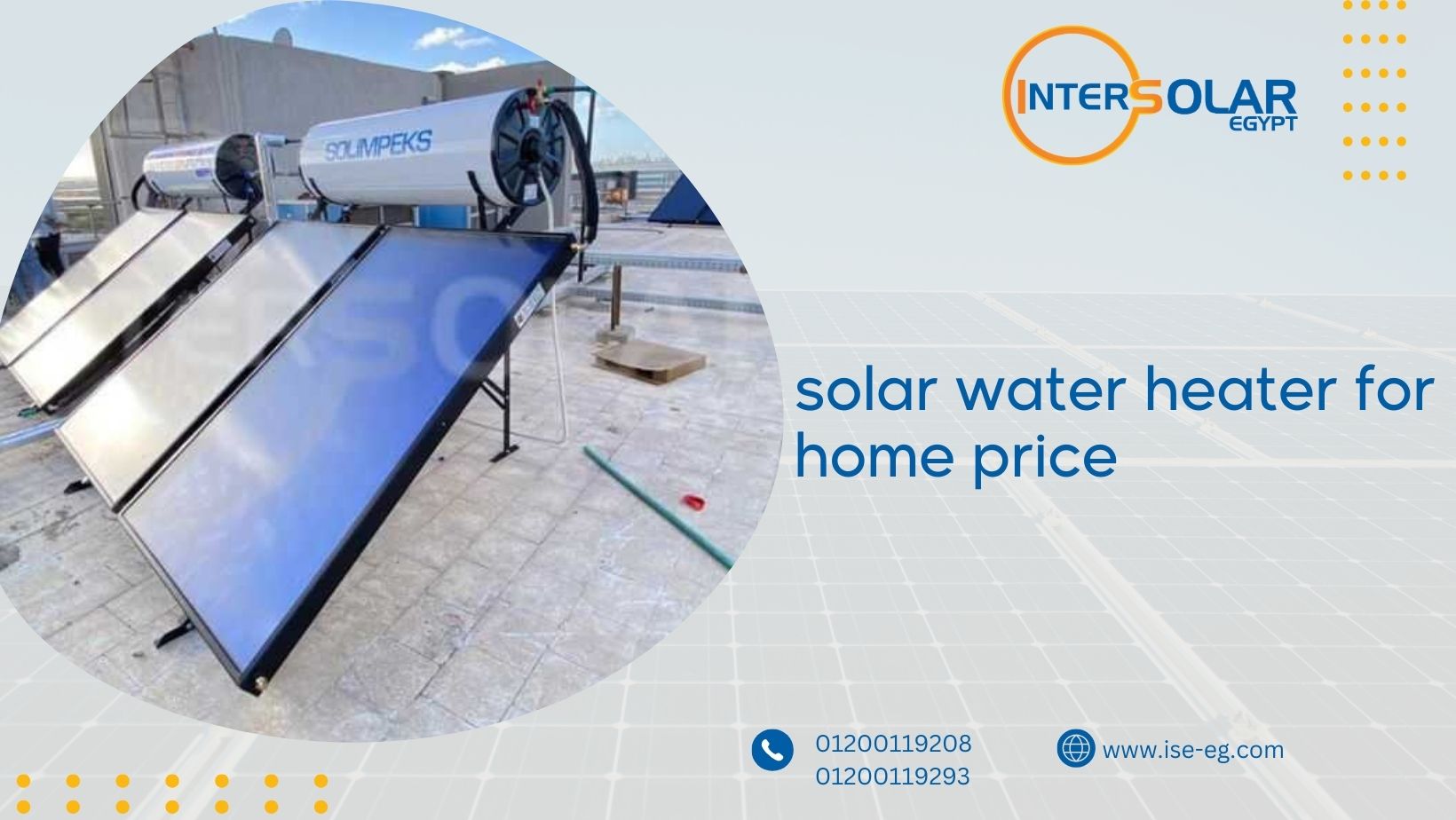
A solar water heater for a home is a solar thermal system (technology that converts sunlight into heat directly) designed to supply hot water for bathrooms, kitchens, laundry, and general household needs without depending heavily on electricity or gas
Such systems work by capturing sunlight through collectors and transferring that heat into a storage tank so that hot water is available when needed
Intent Behind Residential Price Searches
People searching for solar water heater for home price usually fall into three intent categories:
- Informational intent where readers want to understand how pricing works and what factors shape it
- Commercial intent where buyers compare suppliers, technologies, and warranty conditions
- Transactional intent where users are ready to buy but need realistic price expectations
This article meets all three categories by offering depth, practical clarity, and engineering-based explanations rather than generic pricing ranges that most competitors provide
Key Elements That Determine the Solar Water Heater for Home Price
A professionally designed residential solar water heater system is more than a tank and a panel; it is an engineered solution where each component directly influences system efficiency, comfort, and long-term operational cost
A quality home solar water heater always includes:
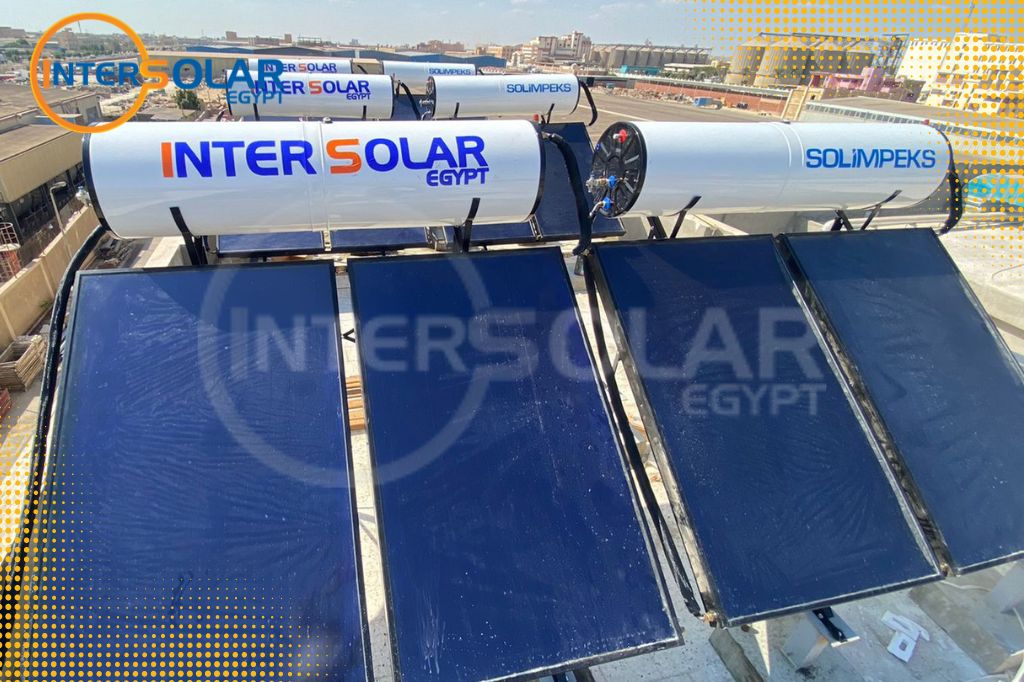
- Solar thermal collectors that absorb sunlight and convert it into usable heat energy
- A home-sized insulated storage tank that retains heat for hours after sundown
- Insulated piping that minimizes thermal loss between collectors and the tank
- Structural mounting hardware engineered for rooftop safety and wind conditions
- Pressure valves and safety components that protect against overheating and overpressure
- Professional installation with hydraulic circulation testing (checking that heat moves correctly through the system)
When any of these components are downgraded or omitted to reduce upfront price, daily performance and system reliability suffer, leading to higher long-term expenses

Collector Technology and Its Price Impact
Two main collector technologies dominate residential solar water heating:
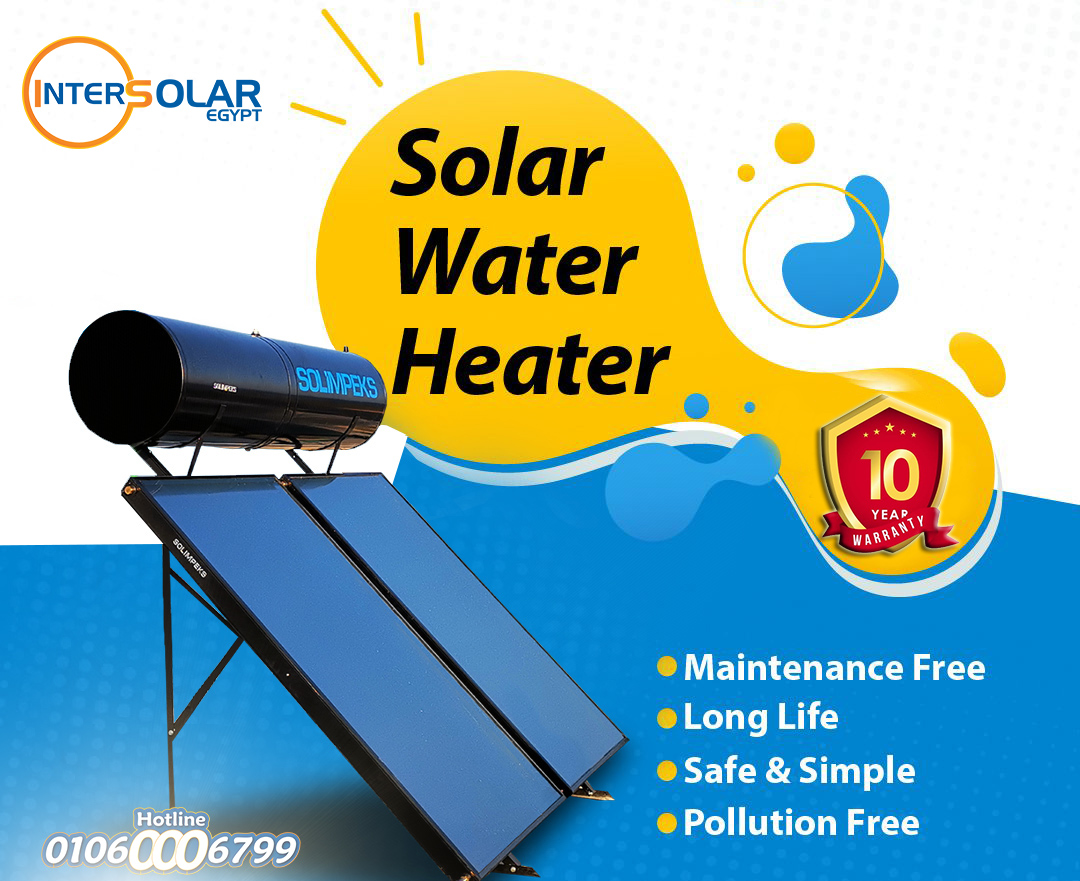
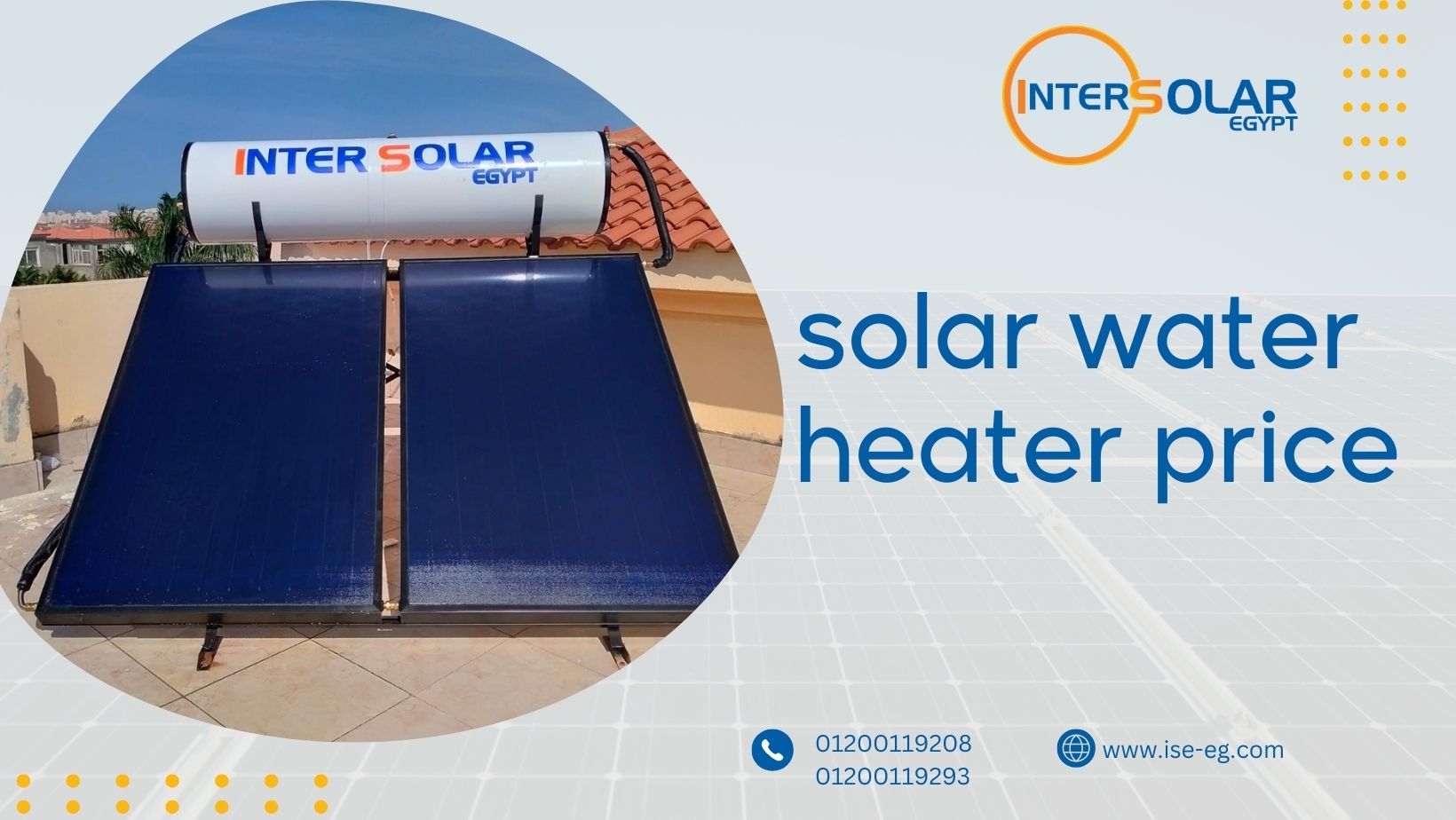
Flat plate collectors are metal panels with dark absorber surfaces that capture sunlight efficiently in warm or consistently sunny climates
Evacuated tube collectors consist of glass tubes with vacuum insulation that minimize heat loss and deliver higher output in low-sun or cooler conditions
Although evacuated tube systems are often more expensive upfront, they tend to produce more usable hot water in winter and during cloudy days, which can shorten the reliance on backup heating and improve comfort throughout the year
Choosing the right collector type based on regional climate and household usage patterns is essential when evaluating the solar water heater for home price
Storage Tank Quality and Insulation
The storage tank in a residential solar water heater serves as the thermal reservoir where heated water is stored until needed
High-quality tanks use corrosion-resistant materials such as stainless steel or enamel-lined steel with thick polyurethane insulation (a material that prevents heat from escaping quickly)
Lower-grade tanks may lose temperature overnight and corrode faster especially where water hardness is high, which leads to early replacement and higher life-cycle costs
Tank construction and insulation thickness significantly affect both system pricing and lifetime value, meaning that paying a little more upfront for premium insulation often results in greater comfort and reduced energy loss
Installation Engineering Makes a Big Difference
Many homeowners choose the lowest quotation without reviewing collector efficiency or tank insulation, which often leads to weak performance in winter and faster heat loss overnight. Others accept thin pipe insulation to reduce upfront cost, only to discover later that hot water temperature falls quickly or that heat never reaches distant bathrooms.
Proper installation ensures that:
- Solar collectors are tilted according to geographic latitude for maximum sun exposure
- Orientation toward the sun is optimized based on roof design
- Piping is fully insulated to prevent temperature loss
- Mounting structures are reinforced according to wind and load requirements
- System commissioning confirms correct circulation and performance
This level of installation precision directly impacts the solar water heater for home price but also ensures daily comfort and system efficiency
Real Household Savings Experience
Across real residential installations, including villas, townhouses, and family homes, well-engineered solar water heaters typically reduce conventional water heating energy consumption by 60 to 80 percent annually depending on climate and usage patterns
In regions with high solar radiation, these systems often provide sufficient hot water for six to eight months without any auxiliary heating, meaning households consume much less grid electricity or fossil fuels
The result is a significant reduction in monthly utility expenses and a strong return on investment over the system’s lifetime
Understanding how these savings stack up against the solar water heater for home price is essential to making an informed decision
Engineering-First Approach at InterSolar Egypt
At InterSolar Egypt, the pricing process always begins with detailed consumption analysis, seasonal temperature assessment, roof geometry review, and water quality evaluation
Rather than offering generic packages, engineers design customized solutions that match real household demands, which prevents oversizing and avoids unnecessary costs
This engineering-first methodology ensures that budgets are invested in useful system performance rather than unnecessary components
Homes that receive this level of design consistently experience greater comfort, higher hot water availability, and lower operating costs compared to systems selected based solely on price
Common Homeowner Mistakes That Increase Total Cost
Many homeowners focus only on the initial solar water heater for home price and ignore technical details that directly affect daily comfort and lifetime value, which often leads to systems that look affordable at purchase but become expensive to operate.
Some buyers choose the lowest quotation without reviewing collector efficiency or tank insulation, which results in weak winter performance and faster heat loss. Others accept thin pipe insulation to reduce upfront cost, only to discover later that hot water temperature drops quickly at night or never reaches distant bathrooms. Some installations even skip hydraulic circulation testing (checking that heated water flows correctly between collectors and tank), causing uneven heating and inconsistent daily output.
The most common mistakes seen in real residential projects include:
- Selecting price-driven systems without verified collector performance data
- Accepting low-grade tanks with minimal insulation thickness
- Ignoring installation standards and commissioning procedures
- Overlooking warranty coverage for collectors and storage tanks
- Oversizing tanks instead of improving collector efficiency
Each of these decisions may appear small during purchase, but together they significantly increase maintenance needs and long-term energy costs.
Professional system design avoids these pitfalls by balancing capacity, efficiency, and durability instead of chasing headline prices.
Comparing Solar Water Heater Costs with Traditional Home Heating
Many families compare solar systems with electric heaters only at purchase stage, without evaluating lifetime ownership cost.
Electric heaters appear cheaper initially, but they continuously consume electricity, suffer from heating element failure, and become more expensive as tariffs rise.
A properly engineered solar water heater replaces most of this recurring expense with free solar energy.
In practical residential installations, systems typically recover their initial investment within two and a half to four years depending on sunlight availability and household usage, after which hot water is produced with almost zero operating cost.
Over a fifteen-year lifespan, even moderate monthly savings accumulate into substantial financial advantage, making solar water heating one of the highest return upgrades for modern homes.
How Professional Design Keeps Home Prices Competitive
True affordability does not come from cutting corners.
It comes from intelligent engineering.
Professional designers optimize system size based on actual family consumption, select collector technology according to climate behavior, and eliminate unnecessary structural material while preserving safety and thermal efficiency.
This approach prevents oversizing, reduces installation waste, and avoids performance losses caused by poor insulation or incorrect orientation.
The result is a balanced residential system that delivers dependable hot water without carrying excess cost.
Affordable pricing achieved through engineering always outperforms pricing achieved through component compromise.
What Every Homeowner Should Request Before Buying
Before accepting any offer, homeowners should always request clear technical documentation, because transparency protects investment and comfort.
A serious supplier will provide:
- Collector efficiency specifications and absorber coating details
- Storage tank material and insulation thickness
- Installation methodology and mounting standards
- Separate warranties for collectors and tank
- Confirmation of post-installation performance testing
These elements reveal true system quality far better than promotional language or temporary discounts.
Frequently Asked Questions
Is a solar water heater really worth the home price compared to electric heaters؟
Yes, when evaluated over its full lifespan. While electric heaters seem cheaper at purchase, they consume power daily and are affected by rising electricity tariffs. A solar water heater uses sunlight as its primary energy source, which dramatically reduces monthly utility bills. Most residential systems recover their initial cost within a few years, then continue producing hot water at almost zero operating expense. Over fifteen years, cumulative savings usually exceed the original investment by a wide margin, especially in sunny regions. When engineered correctly, solar water heaters also provide stable comfort with minimal maintenance, making them a long-term financial and practical upgrade rather than just another appliance.
How do I choose the right system size for my home?
System sizing depends on family size, daily hot water habits, and local climate. As a general guideline, homes require around forty to fifty liters per person per day, but lifestyle matters more than formulas. Houses with multiple bathrooms or heavy morning usage often need higher collector capacity rather than larger tanks. Professional engineers analyze real consumption patterns and roof conditions before recommending system size. This prevents overspending while ensuring comfort. Choosing capacity based on price alone often leads to either insufficient hot water or unnecessary equipment cost.
Will a home solar water heater still work in winter or cloudy weather?
Modern systems, especially those using evacuated tube collectors, capture both direct and diffused sunlight, allowing operation even during cloudy conditions. Although output is lower in winter, thick tank insulation preserves heat for many hours, keeping water usable overnight. Most residential installations continue to supply hot water year-round, with solar covering the majority of annual demand. Optional backup heaters can be integrated for extreme weather days, but in real homes, solar remains the primary heating source across all seasons when systems are professionally designed.