Understanding the real solar water heater price is not about chasing the cheapest offer but about making a confident long-term energy decision that protects your budget, improves comfort, and delivers measurable savings year after year.
After more than 15 years working closely with renewable energy companies, installers, and end users, I have seen how pricing confusion leads many buyers to poor system choices, unnecessary upgrades, or disappointing performance, which is exactly why this guide exists.
This article is written for homeowners, facility managers, and business owners who want clarity, not sales talk.
What Does “Solar Water Heater” Actually Mean
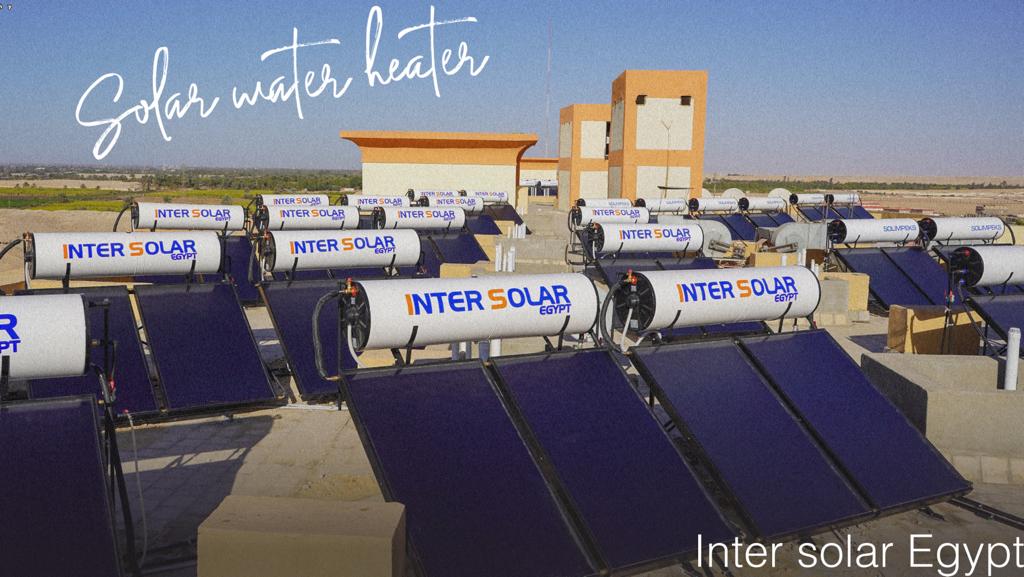
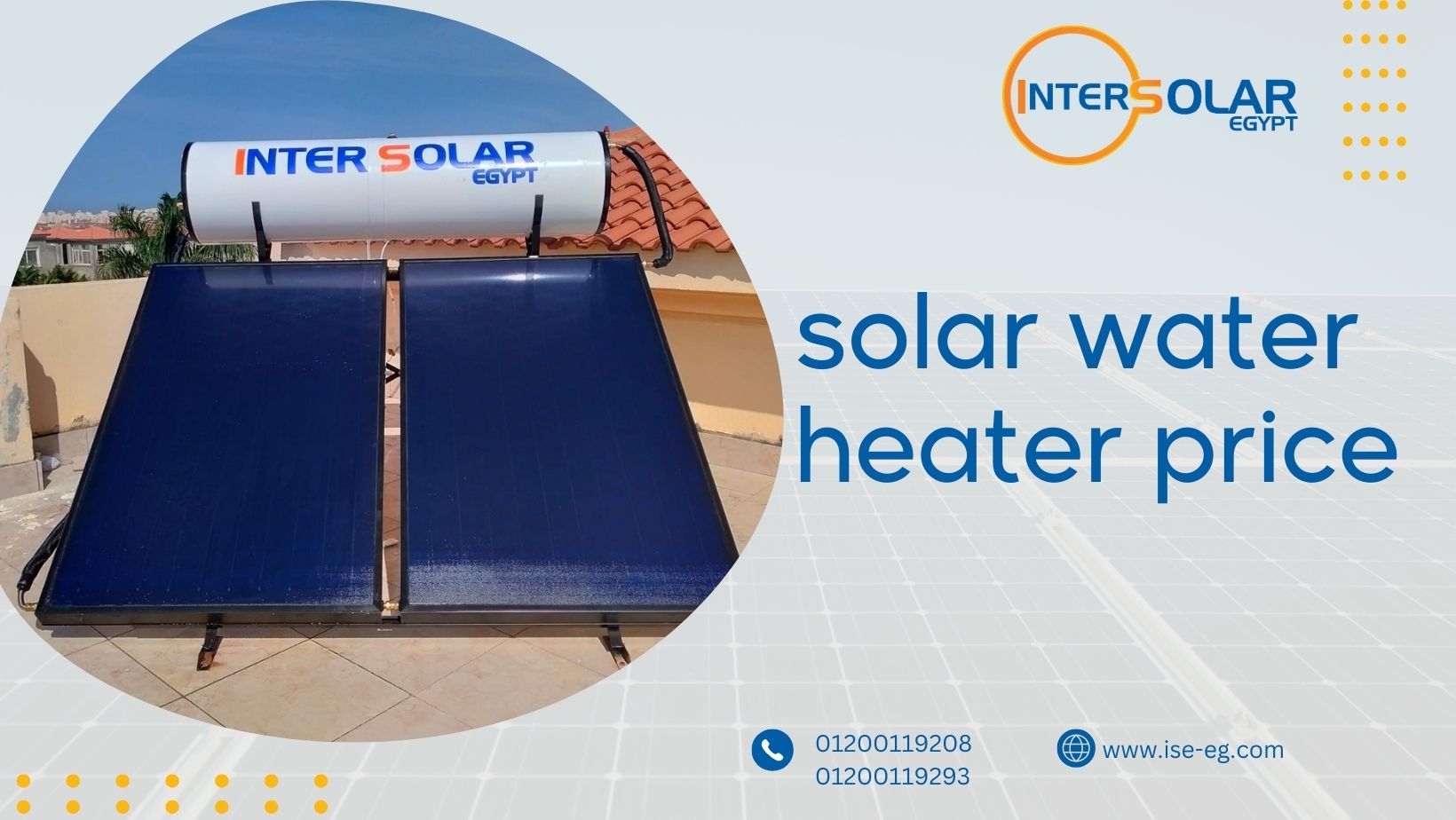
A solar water heater is a solar thermal system (a technology that converts sunlight directly into heat instead of electricity) designed to provide hot water using the sun as its primary energy source.
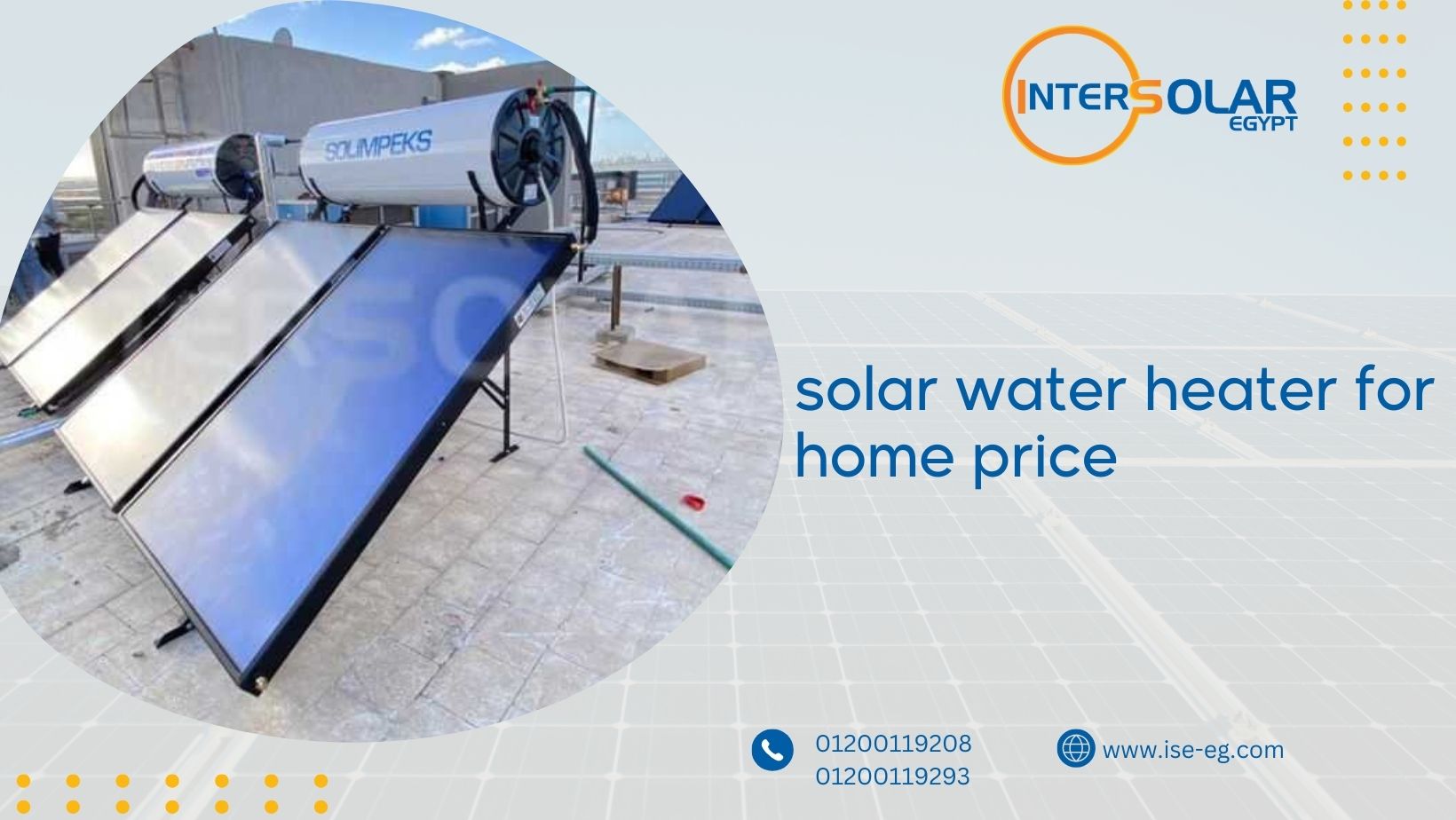
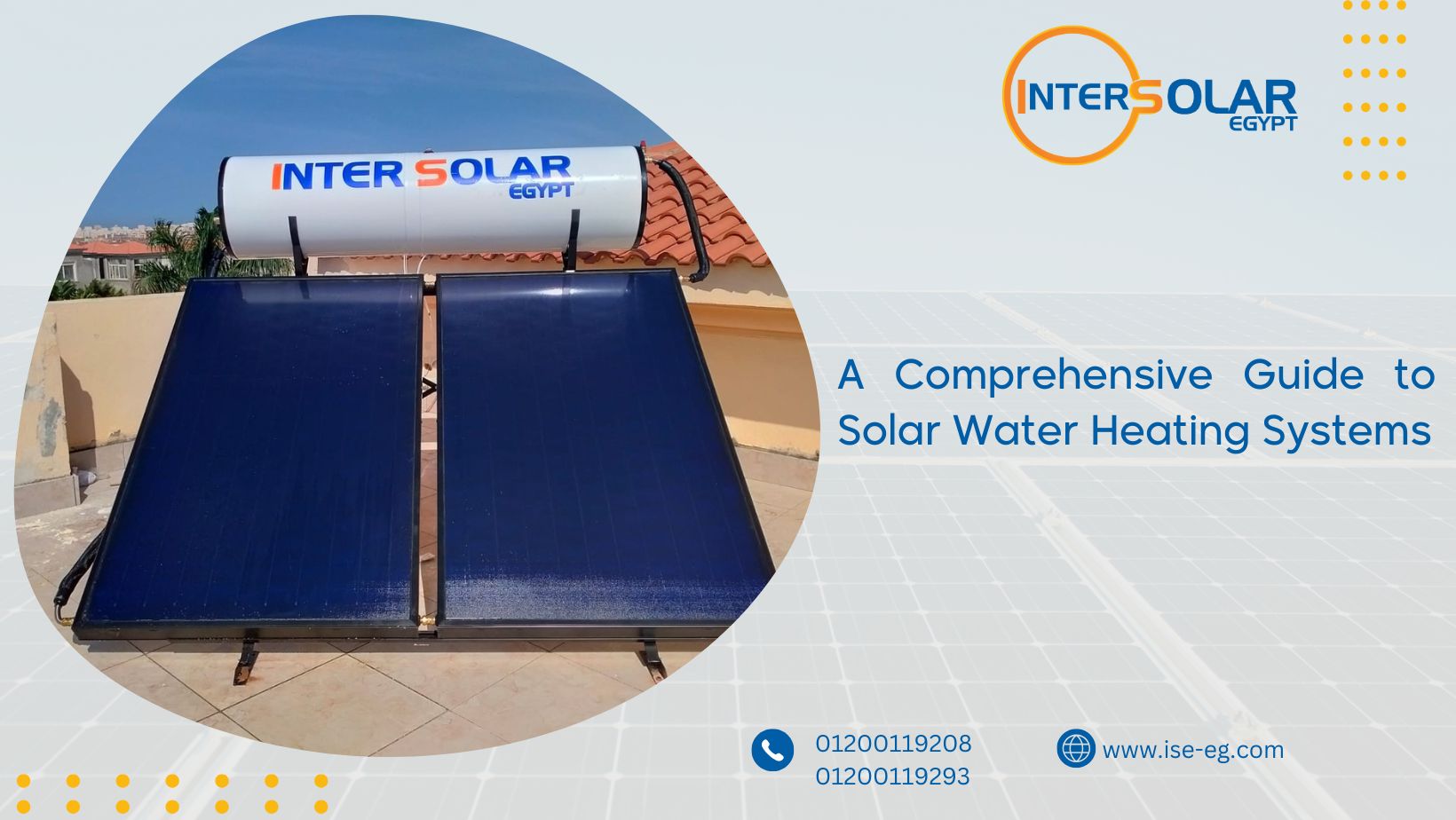
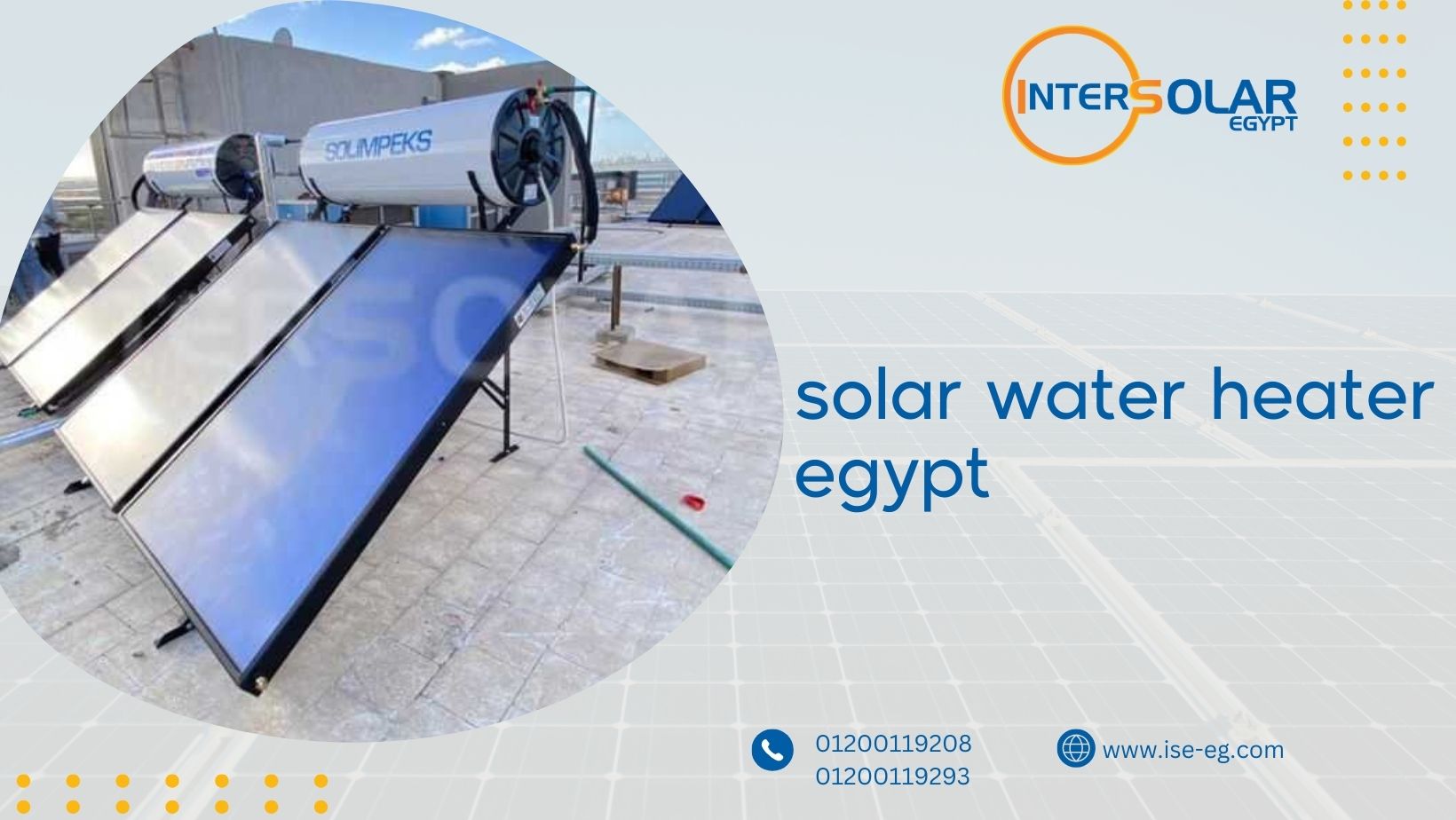
Unlike photovoltaic panels that generate power, solar water heaters use collectors to absorb solar radiation and transfer heat into a storage tank, giving you ready hot water with minimal running costs.
A complete system normally includes:
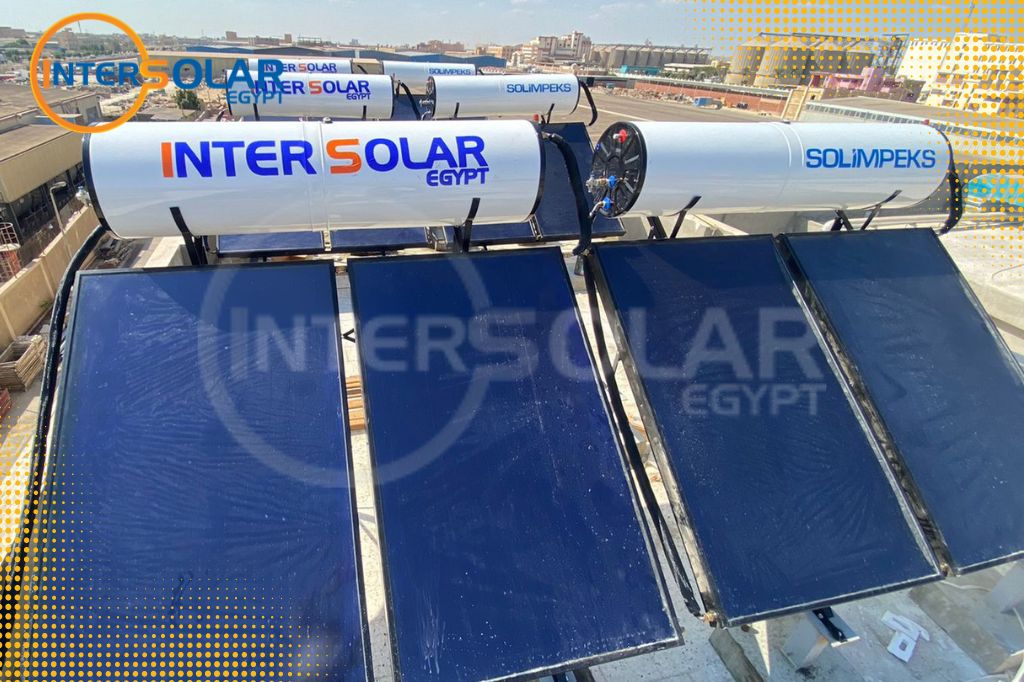
- Solar collectors that capture sunlight and convert it into thermal energy
- An insulated storage tank that holds heated water
- Connecting pipes and safety valves
- Mounting structure and professional installation
Each of these components plays a direct role in the final solar water heater price.
Search Intent Behind “Solar Water Heater Price”
People searching for this term usually fall into three categories.
Informational users who want to understand how pricing works and what affects cost.
Commercial users comparing options and evaluating suppliers.
Transactional users who are close to buying and need realistic expectations.
This guide addresses all three by explaining pricing logic, system types, performance value, and real-world application.
Key Factors That Control Solar Water Heater Price
Collector Technology
There are two main collector types used worldwide.
Flat plate collectors which are durable metal panels suitable for warm climates and standard residential use.
Evacuated tube collectors which use vacuum-sealed glass tubes to capture heat more efficiently, especially in cold or cloudy conditions.
Evacuated tubes cost more upfront but often deliver 20 to 30 percent higher winter performance, which directly impacts usable hot water volume.

Tank Quality and Insulation
The tank is the heart of the system.
High-grade tanks use stainless steel or enamel-lined steel with thick polyurethane insulation (thermal foam that prevents heat loss), allowing hot water to stay warm for many hours after sunset.
Low-quality tanks lose heat quickly and often fail early due to corrosion, even if the collectors are good.
Tank construction alone can shift the solar water heater price significantly.
System Capacity
Solar water heaters come in different sizes such as 100 liter, 150 liter, 200 liter, and larger commercial configurations.
Higher capacity systems cost more because they require larger tanks, more collector area, and stronger mounting structures.
Choosing the right size is critical because oversizing wastes money while undersizing reduces comfort.
Installation Quality
Installation is not an accessory, it is a performance factor.
Proper tilt angle, orientation, insulated piping, and pressure regulation determine how much heat actually reaches your tank.
Poor installation can reduce system efficiency by up to 40 percent, even with premium equipment.
Realistic Solar Water Heater Price Ranges
Based on verified regional market data and current supplier benchmarks in 2026, complete installed systems generally fall into three tiers.
Entry-level residential systems using flat plate collectors with basic tanks.
Mid-range systems with improved insulation and stronger frames.
High-efficiency systems using evacuated tubes and premium storage tanks with extended warranties.
Exact pricing varies by country, import duties, roof type, and installation complexity, but the key takeaway is that price always reflects component quality and engineering depth.
Why Cheapest Is Almost Never Best
Many buyers focus only on upfront cost and ignore lifetime performance.
This leads to systems that:
- Deliver less hot water than expected
- Require frequent maintenance
- Lose heat rapidly at night
- Fail after only a few years
A properly engineered system may cost slightly more but typically lasts 15 to 25 years while reducing conventional water heating energy by 60 to 80 percent annually.
That makes solar water heating an infrastructure investment, not a household appliance.
Practical Field Experience from Real Installations
Across residential villas, small hotels, and office buildings, consistently well-designed solar water heaters achieve full daily hot water supply for 6 to 8 months per year without any electrical backup.
Even during winter, modern evacuated tube systems continue producing usable hot water thanks to their ability to capture diffused sunlight.
This performance difference is why professional system selection matters more than catalog promises.
How Professional Engineering Changes the Outcome
At InterSolar Egypt, pricing never starts with equipment lists.
It starts with usage analysis, roof geometry, seasonal temperature behavior, and water quality.
Each system is designed around real consumption patterns to avoid overspending or underperformance.
This engineering-first approach ensures every client receives a solution that matches their needs instead of generic packages that look attractive on paper but disappoint in practice.
Understanding Payback Period in Simple Terms
The payback period is the time required for energy savings to equal your initial investment.
For most residential systems, this ranges between 2.5 and 4 years depending on sunlight availability and hot water usage.
After that, your system continues delivering hot water with almost zero operating cost.
Over 15 years, this translates into thousands saved on electricity or gas while also reducing carbon emissions.
Long-Term Ownership Costs and System Reliability
When evaluating solar water heater price, many buyers forget to look beyond installation day.
Real ownership cost includes durability, heat retention, spare parts availability, and how often the system needs attention.
From field data across residential and light commercial projects, a correctly engineered solar water heater typically requires only minimal annual inspection.
There are no compressors, no burners, and no rotating parts inside the collectors, which dramatically lowers failure probability over time.
Most quality systems operate efficiently for 15 to 25 years when tanks are corrosion protected and pipes are fully insulated.
This is why solar thermal technology consistently outperforms conventional electric heaters in lifetime value.
Electric heaters consume energy every single day.
Solar water heaters consume sunlight.
That difference changes everything.
Over a decade of usage, households often recover their initial investment multiple times through avoided utility bills while enjoying stable hot water regardless of grid fluctuations.
How Climate Directly Impacts Solar Water Heater Price and Performance
Geography plays a major role in both system sizing and final cost.
In high-sun regions, fewer collectors are needed to reach daily hot water targets.
In colder or dust-heavy environments, evacuated tube systems become more economical despite higher upfront pricing because they maintain efficiency when sunlight is diffused.
Humidity, wind exposure, roof angle, and mineral content of local water all influence engineering decisions.
Professional system design accounts for these variables before equipment is selected.
Ignoring climate leads to overspending or underperforming installations.
Smart pricing always starts with environmental analysis.
Residential vs Commercial Solar Water Heater Systems
Home systems are usually passive or thermosiphon based (meaning hot water naturally rises into the tank without pumps).
Commercial systems often use forced circulation (a small pump moves heat transfer fluid) to handle higher demand volumes.
Commercial installations also require:
- Larger buffer tanks
- Multiple collector arrays
- Pressure management
- Backup integration
These factors raise initial cost but allow consistent hot water delivery for hotels, factories, clinics, and labor housing.
Comparing residential prices with commercial systems is misleading.
They are engineered for completely different workloads.
Common Buyer Mistakes That Increase Total Cost
After reviewing hundreds of installations, the same errors appear repeatedly.
- Choosing lowest quote without reviewing component specifications
- Accepting thin insulation to save money
- Skipping hydraulic testing after installation
- Ignoring warranty terms
- Oversizing tanks instead of improving collector efficiency
Each of these decisions increases lifetime cost even if the initial invoice looks attractive.
A professional solar water heater price always reflects system balance, not just hardware.
Why Experience Matters More Than Marketing
Solar water heating is simple in concept but technical in execution.
True expertise shows in how systems are adapted to roof geometry, family size, seasonal behavior, and future expansion plans.
Experienced engineers do not sell equipment.
They design energy solutions.
That distinction determines whether your system becomes a long-term asset or a short-lived expense.
Frequently Asked Questions
Is solar water heating really worth the investment today
Yes, especially in regions with strong solar resources.
A properly sized system can reduce conventional water heating energy by up to 80 percent annually.
Unlike electric heaters, solar systems do not depend on rising tariffs or fuel availability.
Once installed, operating costs are almost zero.
Most users recover their investment within three to four years depending on usage patterns.
After that, the system delivers free hot water for many more years.
The key is choosing correct collector type and tank quality.
When engineering is done properly, solar water heating becomes one of the highest return renewable investments available for households and small businesses.
How do I know what system size I actually need
System sizing depends on daily hot water consumption, number of users, and climate conditions.
As a rough guide, 40 to 50 liters per person per day is commonly used for residential planning.
However, lifestyle matters.
Homes with multiple bathrooms or morning peak usage may require higher capacity or additional collectors.
Professional installers calculate demand using real usage data instead of guessing.
Correct sizing avoids both discomfort and unnecessary spending.
Never select capacity based on price alone.
Proper sizing protects comfort and budget simultaneously.
What maintenance does a solar water heater require
Maintenance is minimal compared to conventional heaters.
Most systems only need annual inspection to check insulation, valves, and collector cleanliness.
In dusty areas, occasional panel cleaning improves performance.
High-quality tanks resist corrosion and do not require internal servicing.
If installed correctly, the system operates silently for years without intervention.
There are no burners to replace and no heating elements to fail.
This low-maintenance nature is one of the strongest advantages of solar thermal technology and a major reason long-term ownership costs remain extremely low.