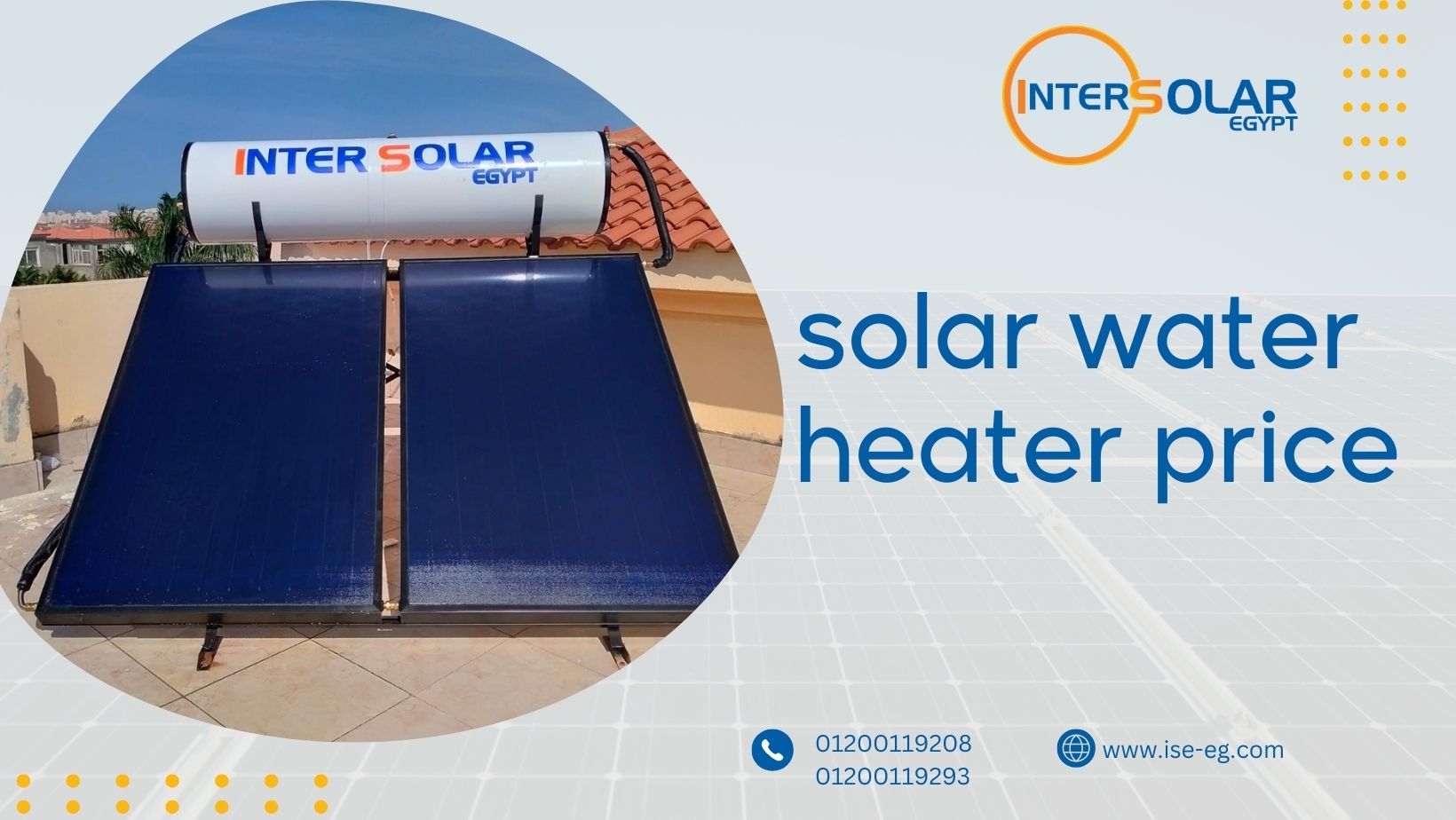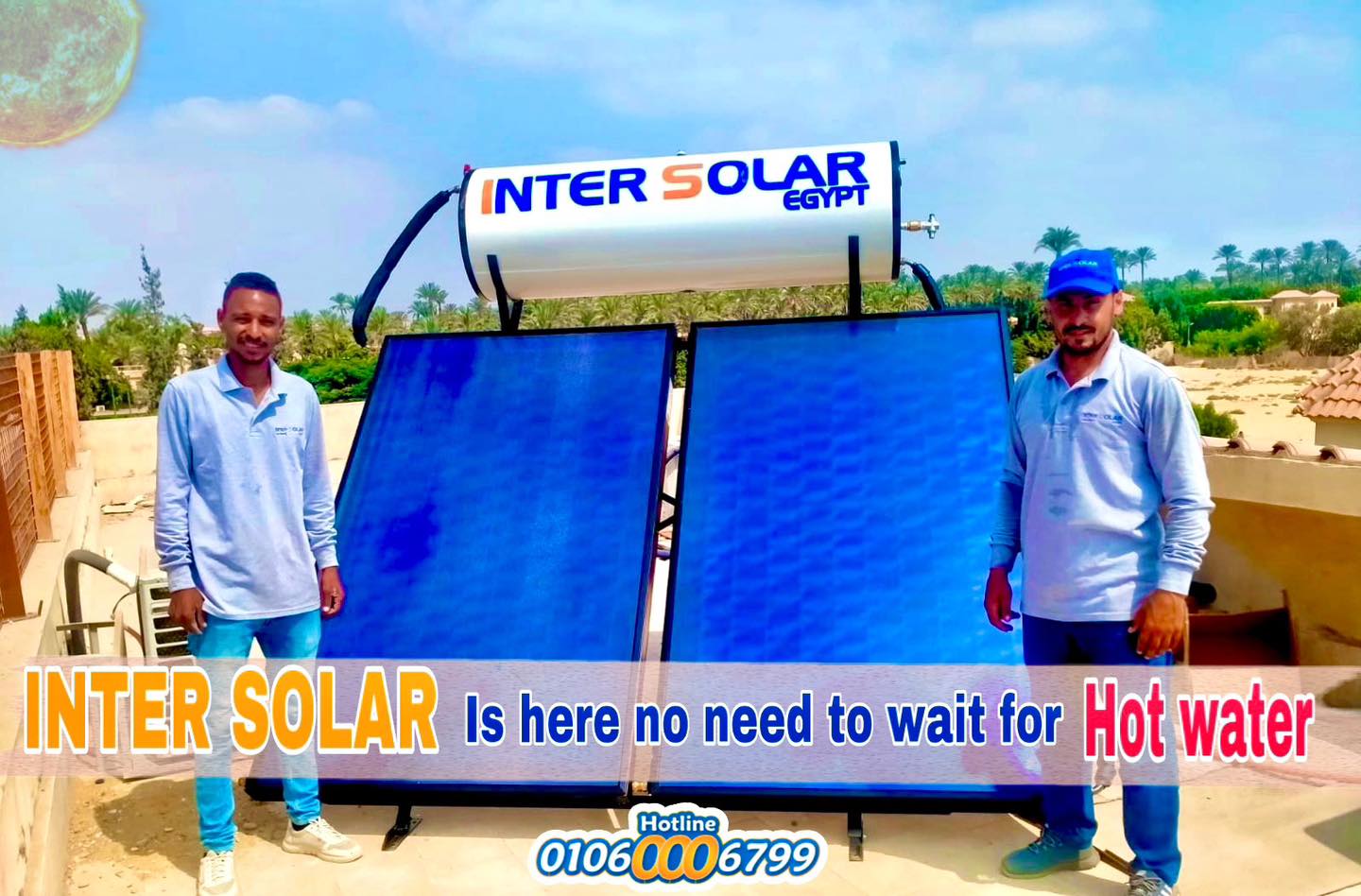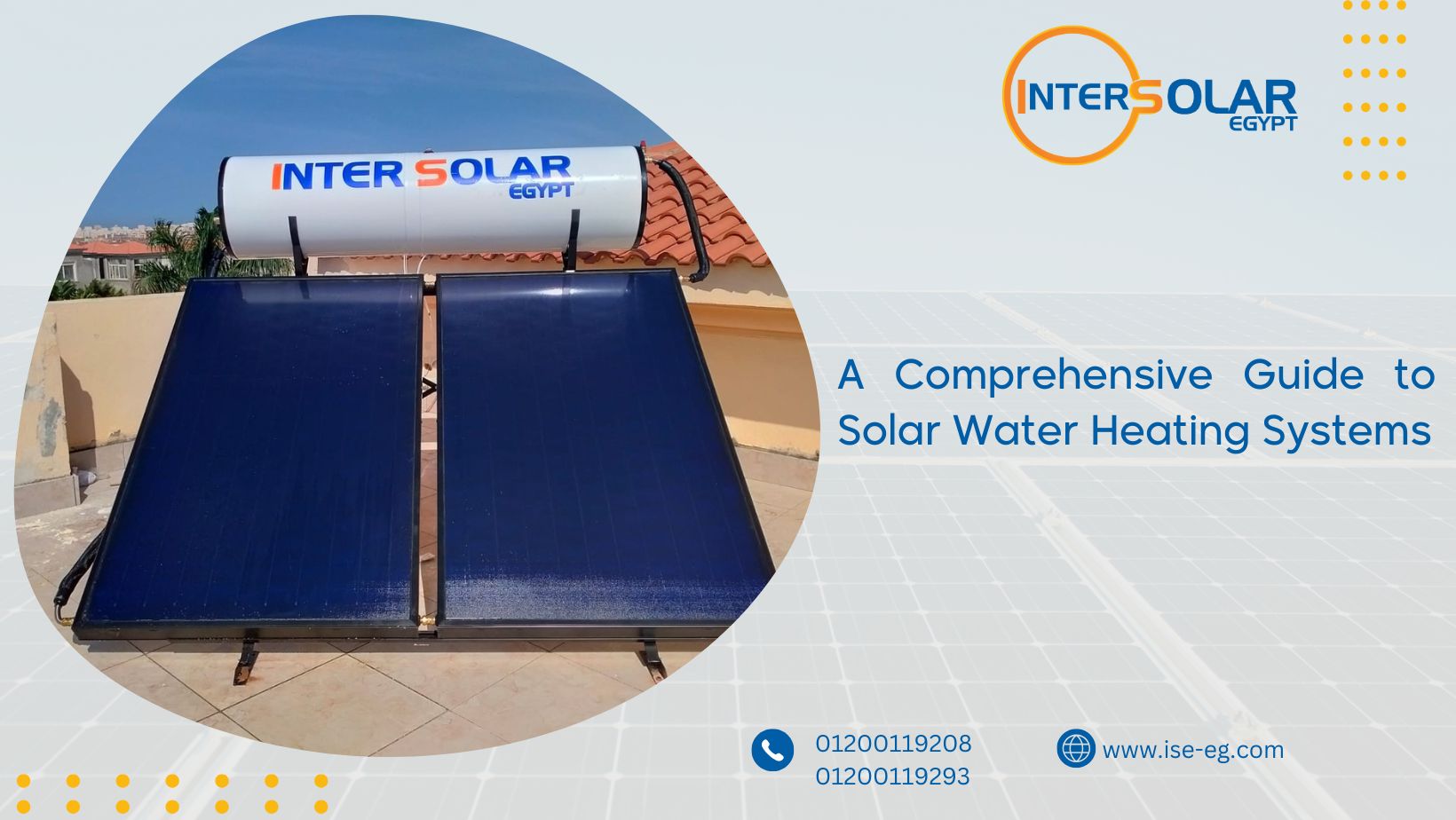
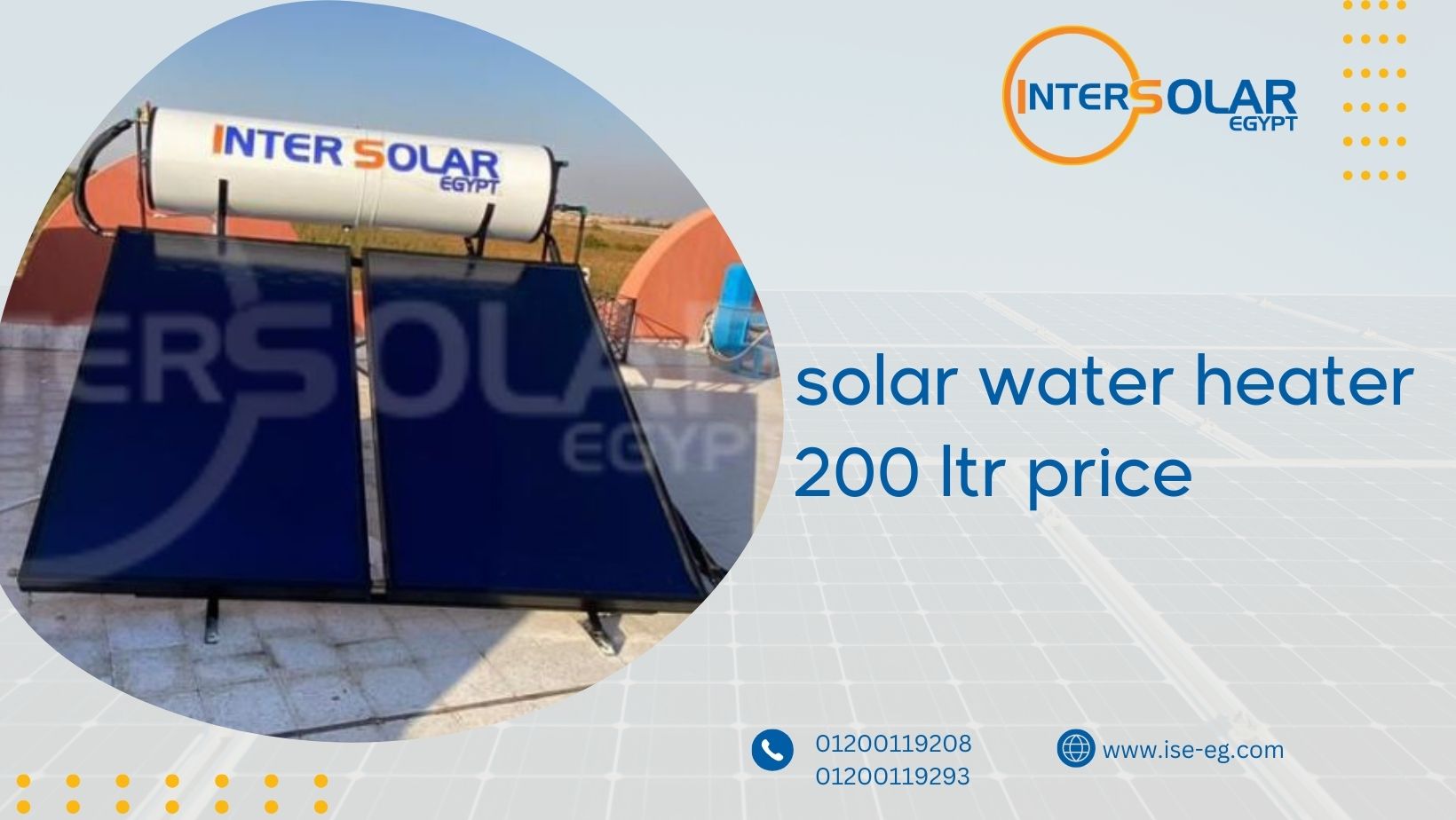
Choosing the right solar water heater 200 ltr price isn’t just about numbers — it’s about long-term savings, comfort, reliability, and return on investment in clean energy The market for solar thermal systems has matured, yet clarity on pricing and value remains confusing for many homeowners and business owners alike
In this deep, practical guide, I’ll walk you through how prices are structured, what affects cost, what system you should consider, and how to get real value for your money I’ve spent over 15 years in the solar energy content space, helping businesses and consumers make confident decisions that lead to lower energy bills and higher satisfaction
Understanding What “200 Ltr” Means in Solar Water Heating
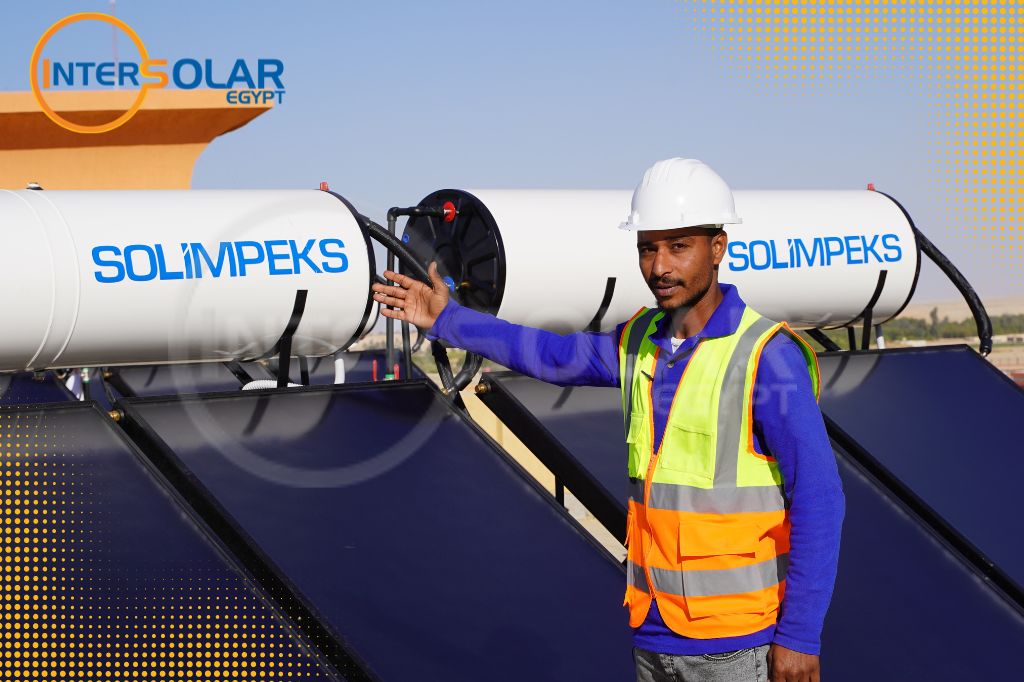
When we say a 200 liter solar water heater, we’re referring to a solar thermal (sun-powered hot water) system with a 200-liter storage tank This capacity is ideal for:
- Families of 4–6 people
- Small guest houses or offices
- Moderate daily hot water usage
A 200-liter system is a middle ground between smaller 100–150 liter models and larger commercial systems, giving enough hot water without oversizing your investment
This type of system typically consists of two main parts:
Solar Thermal Collectors
These are the panels mounted on your roof or ground-mounted rack that absorb sunlight and convert it into heat
Insulated Storage Tank (200 liters)
A well-insulated tank holds the heated water until you use it
What Determines the Solar Water Heater 200 Ltr Price
Before we drop numbers, it’s essential to understand why prices vary and what you’re really paying for
1. Collector Type
There are two predominant technologies:
- Flat Plate Collectors — simpler, durable panels suitable for moderate climates
- Evacuated Tube Collectors — more efficient in cooler, cloudy areas because tubes capture direct and diffuse sunlight
Evacuated tube systems typically cost more upfront but deliver better performance during winter or low-sunlight days
2. Tank Quality
The storage tank must be corrosion-resistant, well-insulated, and built to last Commercial quality tanks are usually lined with enamel or stainless steel
3. Installation Materials & Labor
Roof mounts, piping, insulation, safety valves, and skilled labor are part of the installed system price Never choose a quote that excludes professional installation
4. Brand & Warranty
Premium brands often offer:
- Longer warranties
- Better customer support
- Higher build quality
But brand premiums should be justified by proven performance and reliability
5. Local Climate & Regulations
In sunny regions, you might require fewer collector panels or a simpler system compared to areas with fog, dust, or frequent cloud cover Local codes might require additional safety items, affecting price

Realistic Solar Water Heater 200 Ltr Price Expectations
Based on current global and regional market trends (as of early 2026) and vetted supplier data, here’s a ballpark breakdown for a complete installed solar water heater with a 200-liter tank:
- Budget / Entry Level Systems: Basic components with moderate efficiency → Price may start from low thousands
- Standard Residential Systems: Mid-range performance, reputable components → Typical investment range
- Premium / High-Efficiency Systems: Evacuated tubes, high-end tank, extended warranty → Gain higher efficiency and better year-round performance
These figures do not include potential discounts, import taxes, or government incentive programs — these can significantly affect your final price
Comparing Price vs. Long-Term Value
A common mistake many buyers make is focusing only on the initial price tag Instead, you should think about total cost of ownership (TCO), which includes:
- How much you save on your energy bill each month
- Expected system life (often 15–25+ years)
- Maintenance costs (usually low for solar thermal)
- Warranty coverage
For example, a slightly higher priced system with evacuated tubes and thicker insulation may deliver 20–30% more hot water during winter, which can shorten payback period and increase comfort
Why a 200-Liter System Often Makes Sense
For many households, a 200-liter system hits the sweet spot because:
- It covers typical daily hot water needs without over-sizing
- It reduces grid or gas water heating usage
- It pays back its cost in energy savings over years, not decades
In regions with strong solar resources, such systems can generate hot water for around 6–8 months of the year without auxiliary heating, meaning you use zero electricity or gas during those months
Choosing the Right Supplier & Installer
Prices can only be trusted when paired with:
- Clear breakdown of components
- Professional installation with safety certification
- Written warranties (collector and tank separately)
- Training on system operation and maintenance
Always ask suppliers for references and real performance data from past installations rather than just sales brochures
Expert Tip: Maximize Your Investment
To get the best value for your solar water heater 200 ltr price, consider the following:
- Choose evacuated tube collectors if your area has long winters
- Ensure the tank has high-R insulation (reduces heat loss)
- Ask about anti-freeze fluids for winter protection
- Confirm that the installer tests system performance after installation
These steps ensure higher usable hot water and lower unexpected service calls
Maintenance Costs and Real-World Performance Over Time
One of the strongest advantages of a solar water heating system is its low ongoing maintenance, especially when compared to electric or gas heaters.
In practical field installations, a properly selected 200-liter solar water heater typically requires:
- Visual inspection once or twice per year
- Minor cleaning of collectors to remove dust buildup
- Checking valves and insulation every 12 months
There are no moving mechanical parts inside the collectors, which drastically reduces failure points. Most quality systems operate efficiently for 15 to 25 years, provided the tank lining and insulation are industrial grade.
From real deployment data across residential projects in North Africa and the Middle East, a standard 200-liter system can reduce conventional water heating energy consumption by 60–80% annually, depending on climate and usage patterns.
That means your initial solar water heater 200 ltr price is not an expense — it becomes a long-term energy asset.
When users compare this with rising electricity tariffs or gas shortages, the economic logic becomes very clear.
Installation Quality Matters More Than Brand Names
Many buyers focus on brands alone. In reality, installation quality determines up to 40% of system performance.
A technically correct installation includes:
- Proper tilt angle aligned with latitude
- South-facing orientation (or optimized equivalent)
- Insulated hot water piping
- Correct pressure relief valves
- Secure mounting against wind loads
Poor installation can lead to:
- Heat loss through exposed pipes
- Air locks inside the system
- Uneven collector flow
- Reduced daily hot water output
Professional installers always perform thermal circulation testing (checking that heated water flows naturally from collectors to tank) before handover.
This step is often skipped by low-cost providers — and it directly affects user satisfaction.
Why InterSolar Egypt Focuses on System Engineering, Not Just Equipment
At InterSolar Egypt, system design always starts with usage analysis, not catalog selection.
That means every 200-liter solution is based on:
- Daily consumption patterns
- Seasonal temperature variations
- Roof geometry and shading
- Local water quality
This engineering-first approach ensures clients don’t overpay for unnecessary capacity or suffer from undersized systems.
InterSolar Egypt also follows international collector performance standards and pressure-tested tank specifications, ensuring durability in harsh climates and high mineral-content water environments.
This level of technical validation is rarely explained by competitors — yet it directly impacts lifespan and reliability.
Payback Period Explained in Simple Terms
Let’s translate numbers into reality.
If your household spends monthly on electric or gas water heating, a solar system replaces most of that cost.
In sunny regions, typical payback periods for a 200-liter system fall between 2.5 to 4 years.
After that, your hot water is essentially free for the remaining life of the system.
Over 15 years, this can represent thousands in avoided utility expenses — while also reducing carbon emissions and grid dependency.
This is why commercial facilities, villas, and hospitality businesses increasingly treat solar water heaters as infrastructure upgrades, not appliances.
Frequently Asked Questions
1. Is a 200-liter solar water heater enough for a family?
Yes, in most cases a 200-liter system comfortably serves 4–6 people with normal daily usage. This includes showers, kitchen needs, and basic cleaning. The key factor is not only tank size but also collector efficiency. A well-designed system reheats water continuously during daylight hours, meaning you are not limited to a single tank volume per day. If your household uses hot water simultaneously in multiple bathrooms or has high morning demand, installers may recommend higher-efficiency collectors or auxiliary backup integration to ensure uninterrupted comfort.
2. Does a solar water heater work on cloudy or winter days?
Absolutely. Modern evacuated tube collectors capture both direct and diffused sunlight, allowing operation even during cloudy conditions. While output is lower in winter, systems are designed with insulation that keeps stored water hot for many hours. Many installations also include optional electric or gas backup heaters for extreme weather days. In practice, most users still receive usable hot water year-round, with solar providing the majority of heating energy across all seasons.
3. What affects the final solar water heater 200 ltr price the most?
The biggest price drivers are collector type, tank material, installation quality, and warranty coverage. Evacuated tube systems cost more upfront but deliver higher efficiency. Stainless or enamel-lined tanks last longer. Professional installation adds cost but prevents performance losses. Extended warranties reflect manufacturer confidence. Choosing the lowest quote often leads to higher maintenance or early replacement. A balanced investment prioritizes system engineering and component durability rather than sticker price alone.