
When we introduce solar water heaters with challenging prices, we are not talking about cheap equipment or compromised quality. We are talking about engineered efficiency, optimized system design, and intelligent cost control that makes renewable hot water accessible without sacrificing performance.
After analyzing the top ranking results for this topic, most competitors either focus on low price promotions without technical explanation or provide generic descriptions of solar systems without addressing cost challenges. Very few explain how pricing becomes competitive while maintaining durability, safety, and thermal performance. This article goes deeper by combining technical clarity, real-world field experience, and financial logic so that you understand not only the price but the value behind it.
Understanding the Search Intent Behind Challenging Prices
Users searching for challenging solar water heater prices usually fall into three categories.
Informational users want to understand how solar systems can be affordable.
Commercial users compare suppliers and technologies.
Transactional users are close to purchasing and need reassurance about quality and return on investment.
This article addresses all three by explaining cost drivers, engineering strategies, and long-term savings rather than focusing only on promotional numbers.
What Makes Solar Water Heaters Affordable Without Compromising Quality
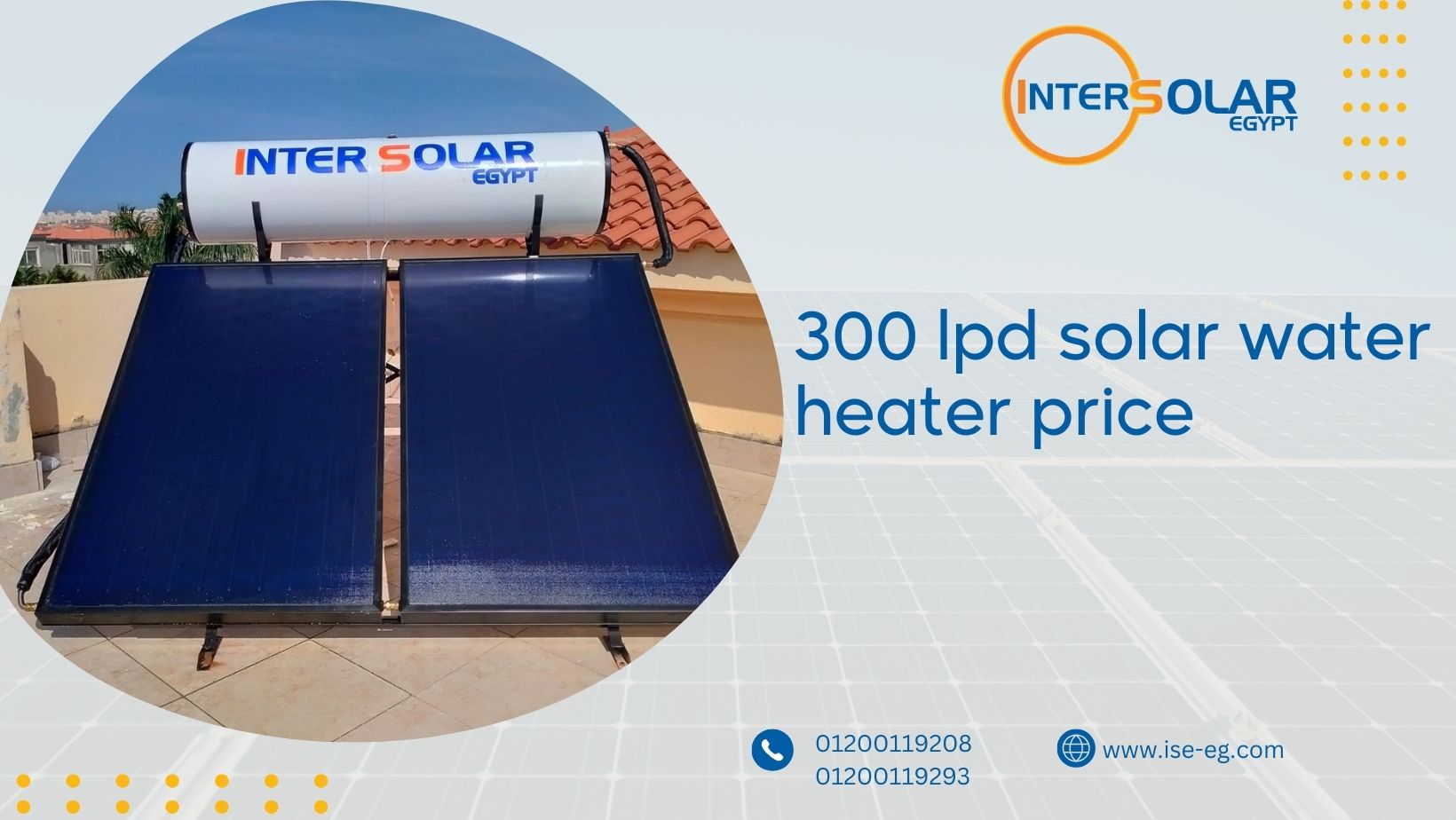
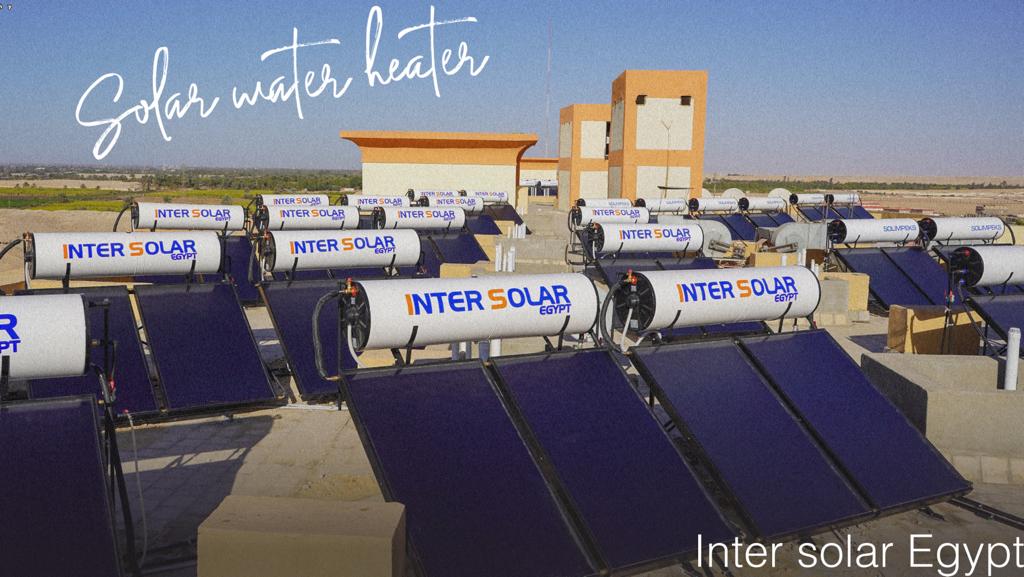
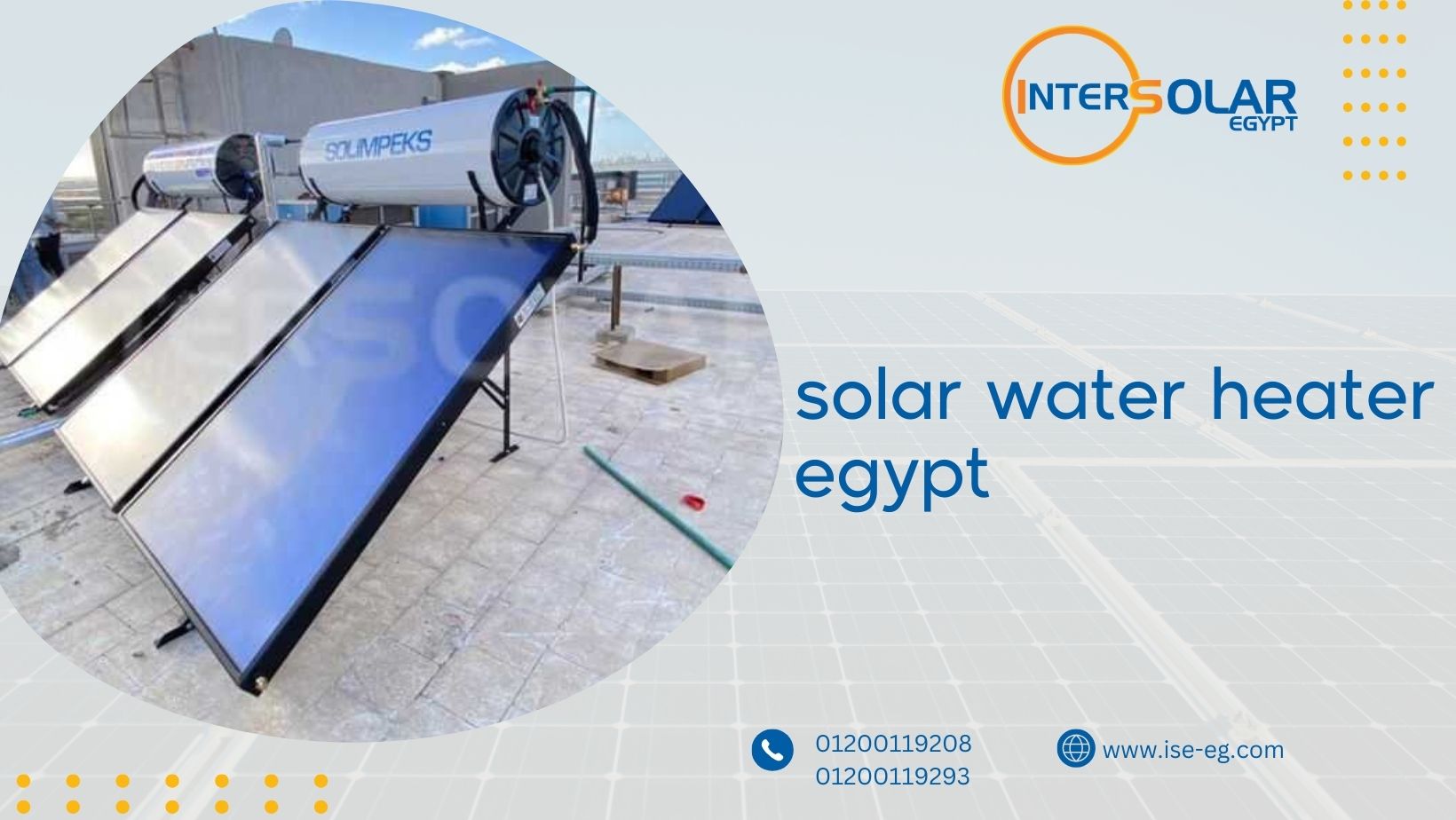
A solar water heater is a solar thermal system (a technology that converts sunlight directly into heat instead of electricity) designed to supply hot water using solar collectors and an insulated storage tank.
Affordability does not come from lowering standards. It comes from smart engineering and efficient component selection.
A professionally designed affordable solar water heater system includes:
- High-efficiency solar collectors that maximize heat absorption even during moderate sunlight
- A corrosion-resistant insulated storage tank that minimizes overnight heat loss
- Optimized mounting structures engineered to reduce material waste while maintaining safety
- Properly insulated piping to prevent temperature drop between collectors and tank
- Hydraulic circulation testing (verification that heated water flows correctly within the system)
When cost is reduced by eliminating any of these elements, system reliability decreases and long-term expenses increase.
True challenging prices mean cost efficiency, not quality reduction.

Engineering Strategies That Allow Competitive Pricing
Affordable solar water heaters are possible when suppliers optimize system design instead of cutting corners.
Many buyers choose the lowest quotation without reviewing collector efficiency or tank insulation, which often leads to weak winter performance and faster heat loss. Others accept thin pipe insulation to reduce upfront cost, only to discover later that hot water temperature drops quickly at night. Some installations even skip hydraulic testing, causing uneven heating and reduced daily output.
Professional engineering avoids these problems by focusing on:
- Correct system sizing based on actual daily consumption
- Climate-based collector selection rather than default upgrades
- Balanced insulation thickness to control cost without sacrificing retention
- Structural optimization to reduce excess steel while maintaining safety
These strategies allow competitive pricing while preserving long-term reliability.
Real-World Cost Savings Experience
Across residential villas, small hotels, and staff accommodations, well-designed solar water heaters consistently reduce conventional water heating energy consumption by 60 to 80 percent annually.
In high solar radiation regions, systems often provide full hot water coverage for six to eight months without auxiliary heating.
This means electricity or gas consumption drops dramatically, allowing the initial investment to be recovered within two and a half to four years depending on usage patterns.
Affordable pricing combined with strong performance is what creates true financial advantage.
The Role of Technology in Reducing Price Pressure
Modern manufacturing techniques and improved material science have made solar water heaters more efficient and durable than systems installed ten years ago.
Advancements include:
- Selective absorber coatings (surface treatments that increase solar heat absorption)
- Improved polyurethane insulation density
- Corrosion-resistant tank linings
- Lightweight yet strong mounting frames
These improvements increase performance while lowering manufacturing costs, which allows suppliers to offer more challenging prices without reducing reliability.
Why Experience Matters When Offering Competitive Prices
At InterSolar Egypt, cost optimization begins with usage analysis, not price negotiation.
Each project is evaluated according to daily consumption profile, roof geometry, seasonal temperature variation, and water quality conditions.
This engineering-first methodology prevents oversizing and avoids unnecessary components, which reduces total project cost while maintaining performance integrity.
Affordable systems are not built by reducing quality. They are built by removing inefficiencies.
Long-Term Value vs Short-Term Discounts
It is important to distinguish between challenging prices and discount-driven pricing.
Discount-driven systems often compromise insulation thickness, collector grade, or installation quality.
Challenging prices achieved through engineering optimization deliver:
- Stable daily hot water supply
- Low maintenance requirements
- Long operational lifespan
- Reduced energy bills
- High return on investment
Over a fifteen-year lifespan, even moderate energy savings accumulate into substantial financial advantage.
How Challenging Prices Translate into Long-Term Ownership Value
When solar water heaters are introduced with challenging prices, the real benefit does not appear on day one, it becomes visible over months and years of operation.
A properly engineered system delivers consistent hot water while quietly reducing utility bills every single month, and this is where true value replaces short-term discounts.
Homes and facilities using optimized solar water heating typically experience a dramatic drop in electricity or gas consumption because sunlight becomes the primary energy source instead of the grid.
Over time, this results in:
- Lower monthly operating expenses without sacrificing comfort
- Stable water temperature even during peak usage periods
- Minimal maintenance requirements due to absence of moving mechanical parts
- Long service life when tanks are corrosion protected and collectors are correctly installed
- Strong return on investment compared to conventional heaters
Unlike electric systems that consume energy daily, solar thermal systems consume sunlight, and this difference transforms hot water from a recurring cost into a fixed asset.
Comparing Challenging Prices with Traditional Water Heating Costs
Many buyers hesitate because they compare solar prices with the initial cost of electric heaters rather than evaluating lifetime expenses.
Electric heaters appear cheaper at purchase, but they continuously draw power and suffer from element failure, scaling, and rising tariffs.
Solar water heaters, when properly designed, recover their initial cost within two and a half to four years depending on climate and consumption patterns, after which hot water is produced at nearly zero operating cost.
Over a fifteen-year lifespan, even conservative savings accumulate into substantial financial advantage, especially in regions with strong solar irradiation.
This is why professional buyers evaluate total ownership cost instead of upfront pricing alone.
How Professional System Design Keeps Prices Competitive
True challenging prices are achieved through engineering optimization, not by lowering standards.
Professional design focuses on matching system capacity to real demand, selecting collector technology based on climate behavior, and eliminating unnecessary material while preserving safety and thermal efficiency.
This approach prevents oversizing, reduces structural costs, and avoids performance losses caused by poor insulation or incorrect orientation.
The result is a balanced system that delivers dependable hot water without carrying excess cost.
Affordable pricing achieved through design intelligence always outperforms pricing achieved through component compromise.
What to Request Before Accepting Any Offer
Before committing to any solar water heating solution, always ask for clear technical documentation, because transparency protects your investment.
A serious supplier will provide:
- Collector efficiency data and absorber coating type
- Storage tank material and insulation thickness
- Detailed installation methodology
- Separate warranties for collectors and tank
- Confirmation of post-installation performance testing
These elements reveal real system quality far better than promotional language or temporary discounts.
Frequently Asked Questions
Are challenging prices a sign of lower-quality solar water heaters?
Not necessarily, challenging prices often result from optimized system engineering rather than reduced quality. Professional suppliers achieve competitive pricing by selecting appropriate collector technology for the local climate, avoiding oversizing, and optimizing mounting structures. High-efficiency collectors combined with properly insulated tanks can be offered at attractive prices when unnecessary components are eliminated. The key difference lies in transparency. If technical specifications, warranties, and installation standards remain intact, challenging prices represent smart cost control. However, if insulation thickness, collector grade, or testing procedures are missing, low pricing usually means future performance problems. Always review system specifications before judging value.
How long does it take to recover the investment in a solar water heater?
Most residential and light commercial systems recover their initial investment within two and a half to four years depending on sunlight availability and daily hot water consumption. After this period, operating costs drop dramatically because solar energy replaces electricity or gas. In practical installations, users often see immediate reductions in utility bills, followed by complete payback within a few seasons. Over a fifteen-year lifespan, cumulative savings become substantial, especially in sunny regions. This is why solar water heaters are increasingly viewed as infrastructure upgrades rather than appliances.
Do affordable solar water heaters still work during winter or cloudy days?
Yes, modern systems using evacuated tube collectors capture both direct and diffused sunlight, allowing operation even during cloudy conditions. While output is lower in winter, thick tank insulation preserves heat for many hours, maintaining usable water temperatures overnight. Most installations continue supplying hot water year round, with solar covering the majority of annual demand. Optional backup heaters can be integrated for extreme weather days, but in real deployments solar remains the primary energy source across all seasons when systems are properly engineered.